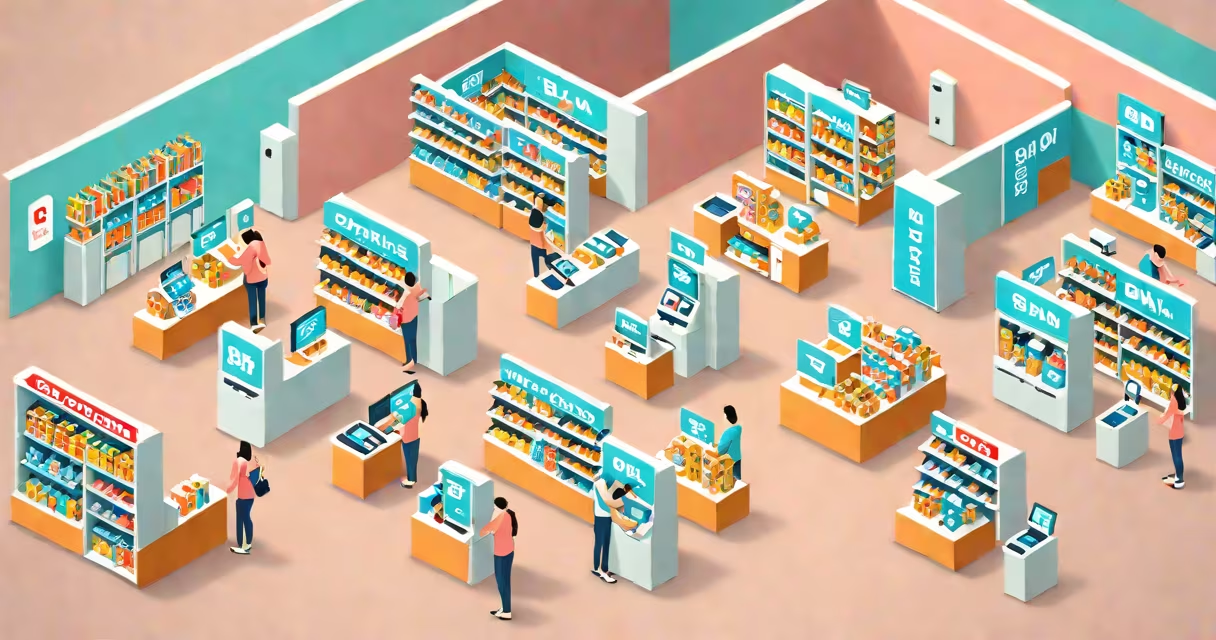
B m retail-short for brick-and-mortar retail-refers to traditional physical stores where customers browse, touch, and purchase goods in person. It's the foundational model of retail, predating online shopping by decades. While e-commerce has grown rapidly, b m retail remains central to consumer behavior, especially for high-touch products like clothing, electronics, and home goods.
These stores operate through dedicated storefronts in malls, downtown districts, or standalone locations. They rely on foot traffic, in-store displays, staff assistance, and immediate product availability. Unlike digital-only retailers, b m retail requires physical space, inventory management, and staffing. Major chains like Walmart, Target, and Best Buy maintain large b m retail networks as core components of their business strategies.
According to the U.S. Census Bureau, brick-and-mortar retail accounted for 62% of total retail sales in 2023, demonstrating enduring relevance despite digital competition. The model thrives when integrated with digital tools-such as mobile apps, loyalty programs, and in-store Wi-Fi-creating hybrid experiences that blend physical convenience with digital efficiency.
At its core, b m retail operates on a transactional model: customers enter a physical location, interact with products, and complete purchases at a cash register or via a mobile device. Inventory is stored on-site, often in backrooms or stock rooms, and replenished based on sales data and seasonal demand. Staff manage restocking, customer service, and loss prevention.
Modern b m retail uses point-of-sale (POS) systems that sync with inventory databases in real time. When a sale occurs, the system updates stock levels instantly. This integration reduces overstock and out-of-stock scenarios. For example, a customer buying a pair of jeans at a Nike store triggers an automatic update in the regional warehouse system, ensuring accurate tracking across locations.
Many b m retailers now deploy digital tools inside stores. Self-checkout kiosks reduce wait times. Interactive displays show product details, reviews, and recommendations. Mobile apps allow shoppers to scan items, check prices, and pay without waiting in line. These enhancements improve speed and accuracy while reducing labor costs.
Not all physical retail spaces serve the same function. Retailers categorize b m locations by size, purpose, and customer flow. The most common types include:
| Type | Description | Examples |
|---|---|---|
| Flagship stores | Largest format; showcase brand identity, host events, and drive awareness. Often located in high-traffic urban centers. | Apple Store in New York City, Tesla Showroom in Los Angeles |
| Standard stores | Mid-sized locations with full product lines. Serve as primary sales hubs in suburban and urban neighborhoods. | Target store in Chicago, CVS Pharmacy in Houston |
| Express stores | Smaller footprint; focus on speed and convenience. Often found in airports, malls, or transit hubs. | Starbucks Express, 7-Eleven convenience stores |
| Pop-up shops | Temporary setups for limited-time promotions, new product launches, or market testing. | Supreme pop-up during fashion week, limited-edition sneaker drops |
Each type serves a distinct role in the retail strategy. Flagship stores build brand equity, standard stores generate consistent revenue, express stores capture impulse buys, and pop-ups test market interest without long-term commitment.
Despite the rise of e-commerce, b m retail maintains advantages in trust, immediacy, and sensory engagement. Customers can try on clothes, test electronics, or smell perfume before purchasing-experiences impossible to replicate online. A 2022 McKinsey study found that 76% of consumers still prefer in-store shopping for apparel due to fit and quality assessment.
Physical stores also support omnichannel strategies. Shoppers may research a product online, then visit a store to buy it. Or they may order online and pick up in-store (BOPIS). According to Retail Dive, BOPIS transactions grew 35% year-over-year in 2023, driven by b m retail infrastructure.
A key misconception is that b m retail is outdated. In reality, successful chains invest heavily in store redesigns, employee training, and technology upgrades. For example, Home Depot upgraded 1,200 stores with digital signage, mobile checkout, and AI-powered inventory alerts between 2021 and 2023. These changes improved average transaction value by 18% and reduced out-of-stocks by 41%.
People often mistake b m retail for "traditional" or "old-fashioned" retail. That's incorrect. Modern b m retail is highly technical and data-driven. Stores use sensors, cameras, and RFID tags to track inventory movement and customer behavior. Data from in-store interactions feeds into centralized systems that inform pricing, merchandising, and supply chain decisions.
Another error is assuming b m retail doesn't integrate with digital channels. In fact, leading retailers treat physical stores as nodes in a larger network. Amazon's acquisition of Whole Foods in 2017 was not about expanding grocery delivery-it was about using physical stores as fulfillment centers. Today, 70% of Amazon Fresh orders are fulfilled from Whole Foods locations, reducing delivery times and costs.
Finally, some believe b m retail cannot scale. But companies like Walmart and Costco demonstrate that physical stores can grow efficiently. Walmart operates over 10,000 stores globally, with standardized layouts, automated ordering, and centralized logistics. Their ability to manage inventory across thousands of locations shows b m retail's scalability when supported by digital infrastructure.
In 2022, I visited a Target store in Minneapolis during a weekend rush. The store had implemented a new mobile checkout system. Shoppers used the Target app to scan items as they shopped. At the exit, a sensor gate confirmed payment and opened automatically. I watched a family complete a $120 purchase in under two minutes-no line, no cashier interaction.
Behind the scenes, the system updated inventory in real time. The store's dashboard showed a 22% drop in checkout time compared to the previous month. This wasn't just convenience-it was operational efficiency powered by b m retail innovation.
B m retail is not obsolete. It's evolving. The model combines physical presence with digital tools to meet changing consumer expectations. Success depends on integrating technology, understanding customer behavior, and maintaining agile operations.
For retailers, investing in b m retail means building trust, enabling instant gratification, and creating personalized experiences. For consumers, it means access to tangible products, expert advice, and immediate ownership-all within a familiar environment.
As retail continues to merge physical and digital, b m retail remains essential. Its ability to adapt ensures longevity. The future isn't digital vs. physical-it's both. And the most effective retailers are those who master the fusion.