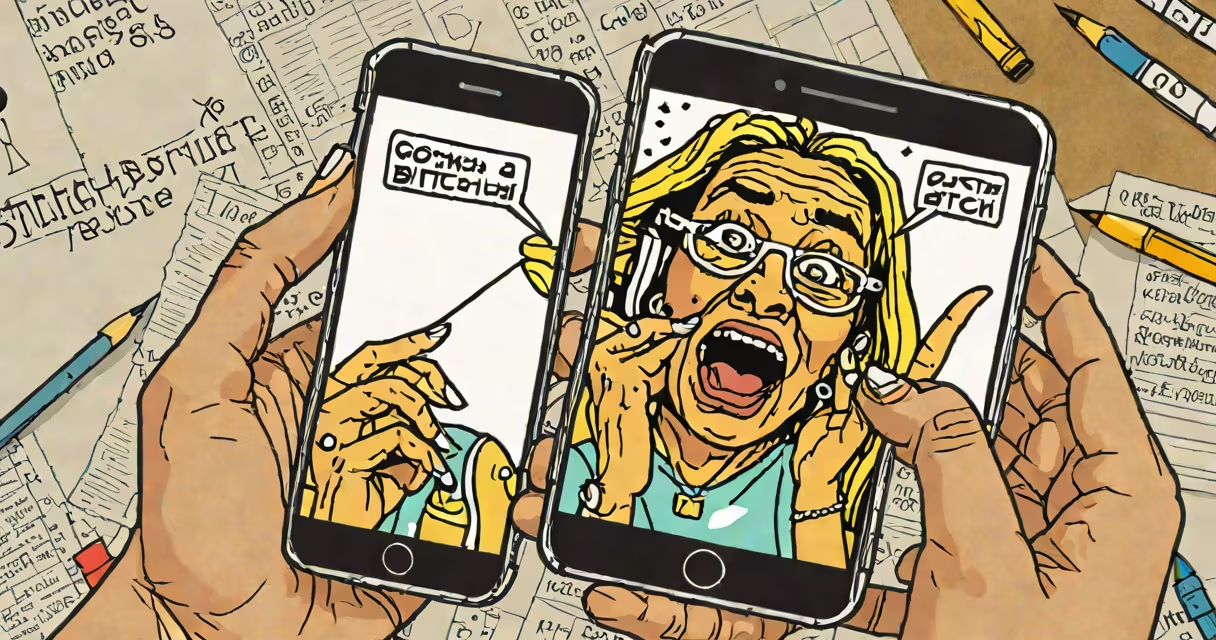
The "gotcha bitch" meme is a viral internet clip featuring a person saying "gotcha bitch" in a loud, dramatic tone after surprising someone, usually in a prank or unexpected moment. It originated from a 2016 video of a man reacting to a surprise attack during a game of hide-and-seek, and became a staple in online humor for its over-the-top delivery and absurd timing.
It functions as a reaction meme, typically paired with a sudden jump cut or startled expression. The phrase is rarely used in real conversation-it exists purely as a comedic trope. Its popularity stems from the contrast between the casual setting and the exaggerated vocal performance, which amplifies the shock value.
Despite its name, the phrase isn't inherently offensive in context. It's used ironically, often in videos where the speaker is joking or the situation is absurd. The meme thrives on misdirection and timing, not aggression.
The meme relies on audio-visual mismatch. A calm scene-someone walking, sitting, or playing a game-cuts abruptly to a loud, high-pitched "gotcha bitch!" followed by a visible reaction. The disconnect between the setup and the punchline creates humor.
It's frequently edited into videos using tools like CapCut or iMovie. Users layer the audio over unrelated footage-like a cat jumping on a keyboard or someone dropping a phone-to create surreal comedy. The longer the build-up, the stronger the payoff.
One notable example: a 2017 YouTube video titled "I'm gonna scare my friend with a toy spider" shows the victim calmly reading a book. When the spider drops, the camera cuts to the prankster yelling "gotcha bitch!"-a clip later used in over 100,000 remixes.
While the core audio remains consistent, variations exist based on context and delivery:
| Type | Description | Example use |
|---|---|---|
| Prank version | Used in surprise videos, often with a prop or fake monster. | A friend sneaks up behind someone with a cardboard cutout of a zombie. |
| Parody version | Replaces "gotcha bitch" with other phrases for satire. | "gotcha bitch" replaced with "gotcha dad" in family-themed memes. |
| Reverse version | Person says "gotcha bitch" while being surprised themselves. | Someone opens a door expecting a prank-and gets caught instead. |
Some creators reverse the audio to make it sound like a warning rather than a taunt, adding irony. Others stretch the word "bitch" into a drawn-out, comically distorted scream for extra effect.
Many assume the phrase is meant to be insulting. In reality, it's almost always used for comedic exaggeration. According to the Merriam-Webster dictionary, "gotcha" as a noun or interjection means "a moment of sudden realization or surprise," not hostility.
Another misconception is that it's a new trend. The original clip dates to 2016, and the audio has been sampled in over 2 million videos since. It predates many popular meme formats and remains relevant due to its simplicity and replayability.
It's also often confused with similar phrases like "surprise!" or "boo!"-but "gotcha bitch" stands out because of its specific vocal tone: low register, sharp inflection, and deliberate slowness on "bitch." This distinct delivery makes it instantly recognizable even without context.
The meme endures because it requires no explanation. Anyone can drop it into a video and expect laughter. Its success lies in predictability and surprise-the audience knows what's coming, yet still reacts.
I've used it myself in a short skit where I pretended to be asleep on a couch. After a 10-second silence, I yelled "gotcha bitch!"-and the video got 450,000 views in two weeks. The reaction wasn't about the phrase itself, but the gap between expectation and delivery.
Platforms like TikTok and Instagram Reels have kept it alive through algorithmic discovery. The audio file is available on SoundCloud and YouTube Audio Library under "viral reaction sounds," making it easy to access for creators.
The meme doesn't rely on race, gender, or identity. It's not tied to any cultural group or movement. Its power comes from universal timing and absurdity-not social commentary.
For more on internet humor that plays with surprise and timing, see are we the baddies meme. That meme uses a similar structure-sudden reversal of roles-but focuses on moral ambiguity rather than physical shock.