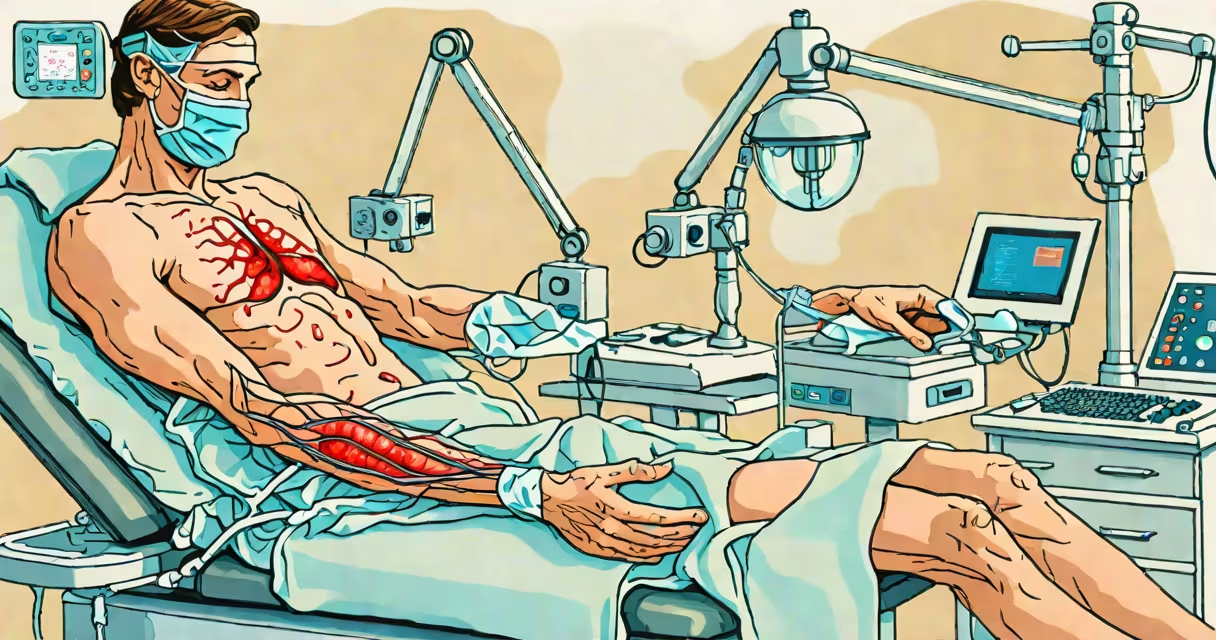
Stem cell donation is the process of giving hematopoietic stem cells-cells that develop into red blood cells, white blood cells, and platelets-to a patient with a life-threatening blood disorder such as leukemia, lymphoma, or sickle cell anemia. The donated cells rebuild the recipient's blood and immune system after high-dose chemotherapy or radiation.
Donors typically give either bone marrow or peripheral blood stem cells (PBSC). Bone marrow donation involves a surgical procedure under anesthesia, while PBSC donation uses apheresis-a process where blood is drawn, stem cells are filtered out, and the rest is returned. Both methods are safe and do not require hospitalization for most donors.
The National Marrow Donor Program (NMDP) operates the Be The Match registry, which connects donors to patients in need. Over 25 million people have joined the registry since 1987, and more than 80,000 transplants have been performed worldwide using unrelated donors.
When a patient's bone marrow fails to produce healthy blood cells, a stem cell transplant replaces the damaged system. The donor's stem cells travel to the patient's bone marrow cavity and begin forming new blood cells within 2-4 weeks.
Before donation, the donor undergoes a series of tests: blood typing, human leukocyte antigen (HLA) testing, and a physical exam. Matching is based on HLA markers-genetic proteins on white blood cells. A close match reduces the risk of graft-versus-host disease (GVHD), where donor cells attack the patient's tissues.
For PBSC donation, donors receive daily injections of filgrastim (a growth factor) for five days prior to collection. This increases stem cell count in the bloodstream. The actual apheresis session lasts about four hours and occurs at a certified donor center. Afterward, most donors return home the same day.
There are two primary methods of stem cell donation, each with distinct procedures and recovery timelines.
| Method | Procedure | Recovery Time | Donor Experience |
|---|---|---|---|
| Bone Marrow | Surgical extraction from pelvic bone under anesthesia | 1-2 weeks | Donors report soreness for several days; rare complications include infection or bleeding |
| Peripheral Blood Stem Cells (PBSC) | Apheresis: blood drawn, stem cells separated, remaining blood returned | 1-2 days | Most donors feel fatigued or experience muscle aches from filgrastim; no surgery required |
According to the American Society of Hematology, PBSC accounts for over 70% of donations in the U.S. due to faster recovery and lower donor burden. However, bone marrow remains preferred in pediatric transplants because of better long-term engraftment rates.
Anyone between 18 and 60 years old in good health can register as a potential stem cell donor. Individuals with certain chronic conditions-such as uncontrolled diabetes, HIV, or active cancer-are generally ineligible. The NMDP requires donors to be free of infections, autoimmune diseases, and psychiatric conditions that affect decision-making.
Patients needing transplants often lack a matched family donor. In such cases, the global registry searches for unrelated donors. Ethnic diversity in the registry is critical-patients from minority backgrounds face longer wait times due to fewer matches. For example, African American patients have a 23% chance of finding a match, compared to 70% for White patients.
Stem cell donation is used to treat over 80 conditions, including:
One patient, a 12-year-old girl with acute lymphoblastic leukemia, received a transplant from a matched unrelated donor in 2021. She was in remission six months post-transplant and now attends school regularly. Her treatment was funded through the National Institutes of Health (NIH) clinical trial program.
Many assume stem cell donation is painful or risky. In reality, both methods are low-risk. The NMDP reports a 99.7% success rate in donor safety during collection procedures. Most donors experience mild side effects like headache or joint pain from filgrastim, which resolve within 48 hours.
A common confusion is equating stem cell donation with embryonic stem cell research. These are separate fields. Embryonic stem cells come from unused IVF embryos and are used in lab research. Stem cell donation involves adult hematopoietic stem cells from healthy donors and is strictly therapeutic.
Another misconception is that donors must pay for the process. All costs-including travel, lodging, and medical care-are covered by the transplant center or the NMDP. Donors are not paid, but they may receive reimbursement for lost wages.
I once witnessed a PBSC donation at a donor center in Minneapolis. The donor, a 34-year-old teacher, completed the procedure in under five hours. She reported feeling tired afterward but was able to return to work the following week. Her stem cells successfully engrafted in the recipient, a 42-year-old man with severe aplastic anemia.
If you're interested in becoming a donor, you can start by signing up with the Be The Match registry. The process takes less than 10 minutes online. You'll receive a cheek swab kit to send in for HLA typing. Once registered, you remain in the database until age 60.
Understanding what is stem cell donation clarifies its role in modern medicine. It's a life-saving act rooted in science, ethics, and global cooperation. With over 100,000 patients waiting for a match, every new donor increases the odds of survival.