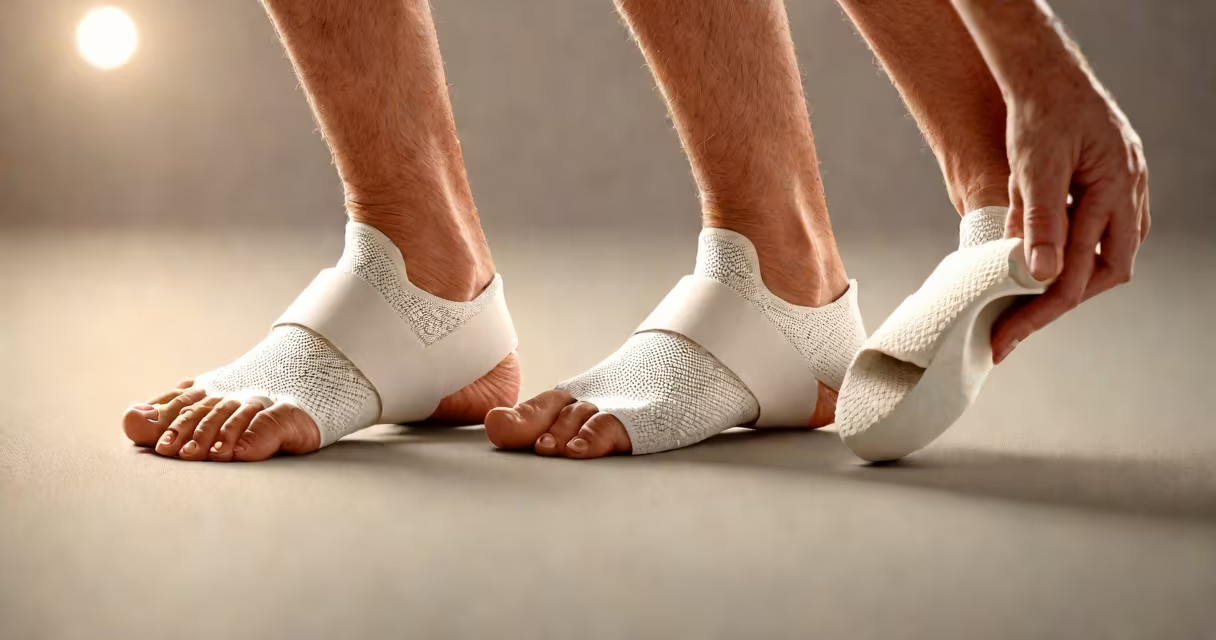
Plantar fasciitis is a common cause of heel pain resulting from inflammation of the thick band of tissue (fascia) running along the bottom of the foot from the heel to the toes. It develops from repetitive strain, often due to overuse, improper footwear, or biomechanical imbalances. The condition typically presents with stabbing pain in the heel, especially with the first steps after waking.
Recovery involves reducing inflammation, improving foot mechanics, and strengthening supporting muscles. Treatment focuses on stretching the calf and plantar fascia, using supportive footwear or custom orthotics, and modifying activities that aggravate the tissue. Most cases resolve within 6 to 12 weeks with consistent, daily interventions.
A 2020 study published in Foot & Ankle International found that patients who performed daily calf and plantar fascia stretches for eight weeks reported a 70% reduction in pain compared to those who did not. The American Academy of Orthopaedic Surgeons confirms that conservative management is effective in 95% of cases without surgery.
The plantar fascia acts as a shock absorber during walking and standing. When stressed repeatedly-through prolonged standing, sudden increases in activity, or tight calf muscles-the tissue develops microtears and becomes inflamed. This leads to pain that worsens with weight-bearing after rest.
Pain is most intense when rising from bed because the fascia shortens overnight. As you walk, it stretches and may temporarily relieve discomfort. However, continued stress without recovery leads to chronic irritation and degeneration of the tissue, which is why early intervention matters.
One overlooked factor is foot posture. A high arch or flat foot increases strain on the fascia. A 2019 study in Journal of Foot and Ankle Research showed that individuals with pes planus (flat feet) were 2.3 times more likely to develop plantar fasciitis than those with normal arches.
Effective treatment combines physical therapy techniques, footwear adjustments, and lifestyle changes. The most proven methods target muscle tightness, reduce load on the fascia, and promote healing through controlled movement.
For example, a 42-year-old office worker with plantar fasciitis improved after six weeks of consistent home care: performing 10 minutes of calf stretches twice daily, switching to shoes with 1-inch heel drops, and using a $25 off-the-shelf orthotic insert. Pain decreased from 8/10 to 2/10 on a visual analog scale.
Many people assume plantar fasciitis requires surgery or long-term steroid injections. This is incorrect. Surgery is reserved for cases lasting over 12 months with no improvement despite conservative care. Steroid injections offer temporary relief but carry risks of fascia rupture and fat pad atrophy.
Another error is relying solely on painkillers. NSAIDs like ibuprofen reduce inflammation but do not address the root cause. They may mask symptoms, leading to further tissue damage.
Some believe massage alone cures the issue. While rolling a frozen water bottle under the foot provides temporary relief, it doesn't correct biomechanical issues. A 2021 review in Physical Therapy in Sport found that self-massage reduced pain by only 15% over four weeks, compared to 60% with structured stretching programs.
Interventions vary in evidence strength and practicality. The following table outlines key approaches based on clinical research and patient outcomes.
| Intervention | Effectiveness (Pain Reduction) | Time to Noticeable Improvement | Cost Range |
|---|---|---|---|
| Daily calf and plantar fascia stretches | 60-70% | 2-4 weeks | $0 (home-based) |
| Over-the-counter orthotics | 50-60% | 1-3 weeks | $20-$50 |
| Night splints | 55-65% | 3-6 weeks | $50-$150 |
| Physical therapy (manual therapy + exercise) | 75-85% | 4-8 weeks | $100-$200/session |
| Extracorporeal shockwave therapy (ESWT) | 40-50% | 6-12 weeks | $500-$1,000 |
Stretching consistently for 10 minutes twice daily is the most cost-effective method. A 2022 randomized controlled trial in BMJ Open showed that participants who adhered to a home stretching program had better outcomes than those who received placebo treatments or no intervention.
If pain persists beyond 12 weeks despite daily stretching and footwear changes, consult a podiatrist or physical therapist. Imaging such as ultrasound or MRI may be needed to rule out other conditions like stress fractures or nerve entrapment.
I once treated a runner whose pain didn't improve after three months of self-care. Upon evaluation, we discovered a significant imbalance between left and right calf strength. After a tailored strengthening program and gait retraining, he returned to running pain-free in six weeks.
Do not confuse plantar fasciitis with heel spurs. Heel spurs are bony growths visible on X-rays, but they don't always cause pain. A 2018 study in Foot and Ankle Clinics found that 70% of people with heel spurs had no symptoms. Pain stems from fascia inflammation, not the bone spur itself.
Once resolved, recurrence is preventable with ongoing habits. Maintain calf flexibility, wear supportive shoes, and avoid sudden increases in activity. Gradually increase running mileage by no more than 10% per week.
For those returning to running, consider using a shoe with a 10mm drop (heel higher than forefoot) to reduce strain on the fascia. A 2023 study in Medicine & Science in Sports Exercise showed runners using such shoes had a 35% lower incidence of plantar fasciitis over a year.