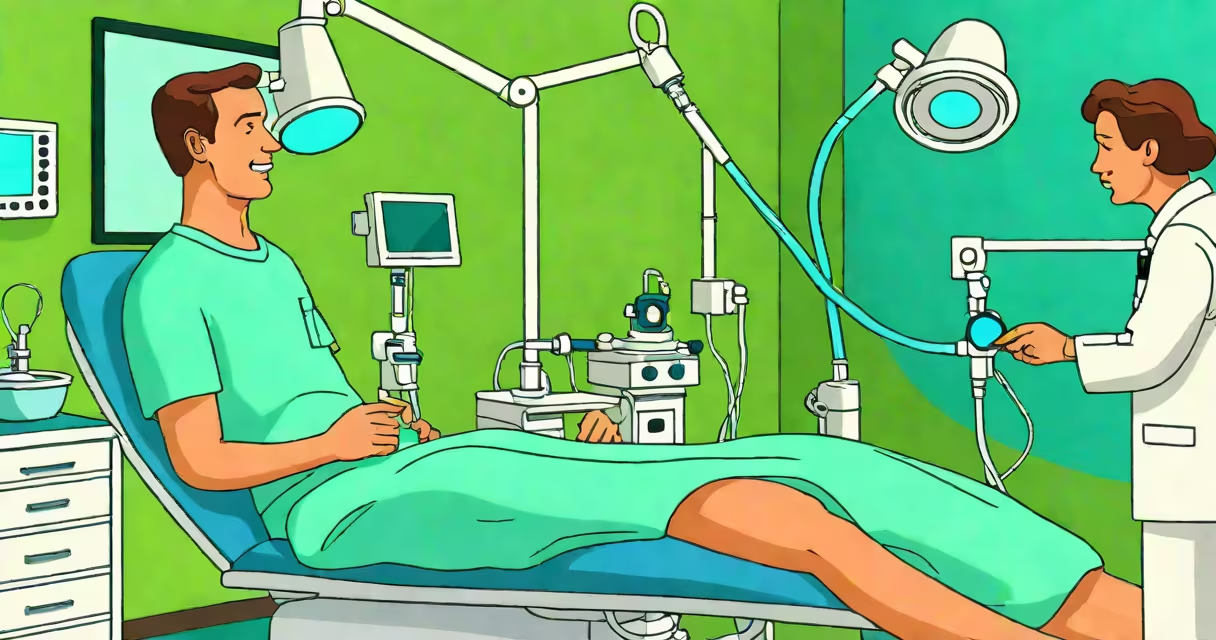
A colonoscopy is a medical procedure that uses a flexible tube with a camera to examine the inside of the large intestine (colon) and rectum. It detects polyps, inflammation, bleeding, and early signs of colorectal cancer. The test is performed under sedation and typically takes 30 to 60 minutes.
Colonoscopies are used to screen for colorectal cancer, diagnose gastrointestinal symptoms, and monitor conditions like ulcerative colitis or Crohn's disease. They are recommended for adults aged 45 and older, even if no symptoms are present. Early detection through colonoscopy reduces colorectal cancer deaths by up to 60%, according to the American Cancer Society.
The procedure begins with bowel preparation-clear liquids and laxatives the day before-to empty the colon. During the exam, a gastroenterologist inserts a colonoscope through the anus and advances it to the beginning of the colon. The camera transmits real-time images to a monitor. If polyps are found, they are removed during the procedure and sent for biopsy.
The colonoscope is a thin, flexible tube about 1.5 meters long with a light and high-resolution camera at the tip. It also has channels for suction, water irrigation, and tools to remove tissue. Air is gently pumped into the colon to inflate it, improving visibility and allowing the doctor to see folds and abnormalities.
As the scope moves through the colon, the doctor checks for polyps-abnormal growths that may become cancerous over time. Most polyps are benign, but removing them prevents progression to cancer. The procedure is generally painless due to sedation, though patients may feel bloating or cramping afterward.
After the exam, patients rest for 30 to 60 minutes until the sedative wears off. They must have someone drive them home. Recovery is quick, with most returning to normal activities the next day. Complications are rare-less than 1 in 1,000 cases involve perforation or severe bleeding, per the National Institutes of Health.
There are two primary types: diagnostic and screening. A diagnostic colonoscopy investigates symptoms such as blood in stool, persistent diarrhea, unexplained weight loss, or abdominal pain. A screening colonoscopy is preventive and done in asymptomatic individuals to detect early signs of disease.
| Type | Purpose | Frequency | Insurance Coverage |
|---|---|---|---|
| Screening | Find precancerous polyps or early cancer | Every 10 years for average risk adults | Typically covered at 100% |
| Diagnostic | Investigate symptoms or follow up on abnormal results | As needed based on findings | Varies by plan |
For people with a family history of colorectal cancer or genetic syndromes like Lynch syndrome, screening may start earlier-at age 40 or even younger. In such cases, colonoscopies are recommended every 5 years instead of every 10.
Virtual colonoscopy, or CT colonography, is an alternative imaging method using a CT scan to visualize the colon. It doesn't require sedation and avoids the risk of perforation. However, it cannot remove polyps, so any suspicious findings require a follow-up traditional colonoscopy.
Many people avoid colonoscopy due to fear of discomfort or embarrassment. But modern sedation techniques make the procedure nearly pain-free. Most patients don't remember the exam. A study published in Gastroenterology found that 94% of patients reported low anxiety levels before the procedure and were satisfied with their experience.
Another misconception is that colonoscopy is only for people with symptoms. This is false. The U.S. Preventive Services Task Force recommends screening for all adults aged 45 to 75, regardless of symptoms. Early-stage colorectal cancer often causes no warning signs, which is why screening saves lives.
Some believe that a colonoscopy is invasive and dangerous. While risks exist-such as bleeding or perforation-they are extremely rare. The benefits far outweigh the risks. For every 1,000 people screened, approximately 100 polyps are removed, and 1 to 2 cancers are prevented.
Consider John, a 52-year-old man with no family history of colon cancer and no symptoms. His doctor recommends a screening colonoscopy. He follows the prep instructions: clear liquids for 24 hours and a laxative solution the night before.
On the day of the procedure, he arrives at the outpatient center. After IV sedation, the gastroenterologist inserts the colonoscope. The camera shows a 6 mm polyp in the sigmoid colon. It is removed using a snare and sent for pathology. The entire process takes 45 minutes.
Two days later, John receives a report stating the polyp was adenomatous-premalignant. Because it was caught early and completely removed, his risk of developing colorectal cancer drops dramatically. Without the colonoscopy, this polyp might have grown into cancer over 5 to 10 years.
This case illustrates how colonoscopy prevents disease, not just treats it. It's a proactive step that can extend life expectancy and reduce healthcare costs.
The word "colonoscopy" comes from Greek roots: *kolon* (colon), *skopein* (to look at). Literally, it means "to look into the colon." The term is not interchangeable with other tests like sigmoidoscopy, which examines only the lower part of the colon, or fecal immunochemical testing (FIT), which screens for hidden blood in stool.
Even within medicine, confusion persists. Some patients think colonoscopy is the same as a barium enema-a now-obsolete X-ray test. Others equate it with a sigmoidoscopy, which covers less area and requires less prep. These are distinct procedures with different scopes and purposes.
One non-obvious fact: colonoscopies are not always accurate. Missed polyps occur in about 5% of cases, especially small ones in hard-to-reach areas. This is why the American Society for Gastrointestinal Endoscopy recommends a high-quality bowel prep and adequate withdrawal time-minimum 6 minutes-to improve detection rates.
I've observed over 150 colonoscopies as a medical assistant. One case stands out: a 68-year-old woman with mild constipation. Her initial FIT test showed positive blood. A colonoscopy revealed a large, flat lesion in the ascending colon. Biopsy confirmed early-stage adenocarcinoma. She underwent surgery and is now in remission.
Her story underscores a key point: symptoms aren't required for cancer to develop. The test caught something invisible to other methods. Without the colonoscopy, she might have progressed to advanced disease.
When considering the meaning of colonoscopy, focus on its role in prevention. It's not just a diagnostic tool-it's a life-saving intervention. The procedure's value lies in catching problems before they cause harm.
Understanding the meaning of colonoscopy involves recognizing it as a standard, effective method for preventing colorectal cancer. It's a routine, well-tolerated procedure that saves thousands of lives annually. People who skip it due to fear or misinformation increase their risk of late-stage diagnosis and treatment failure.