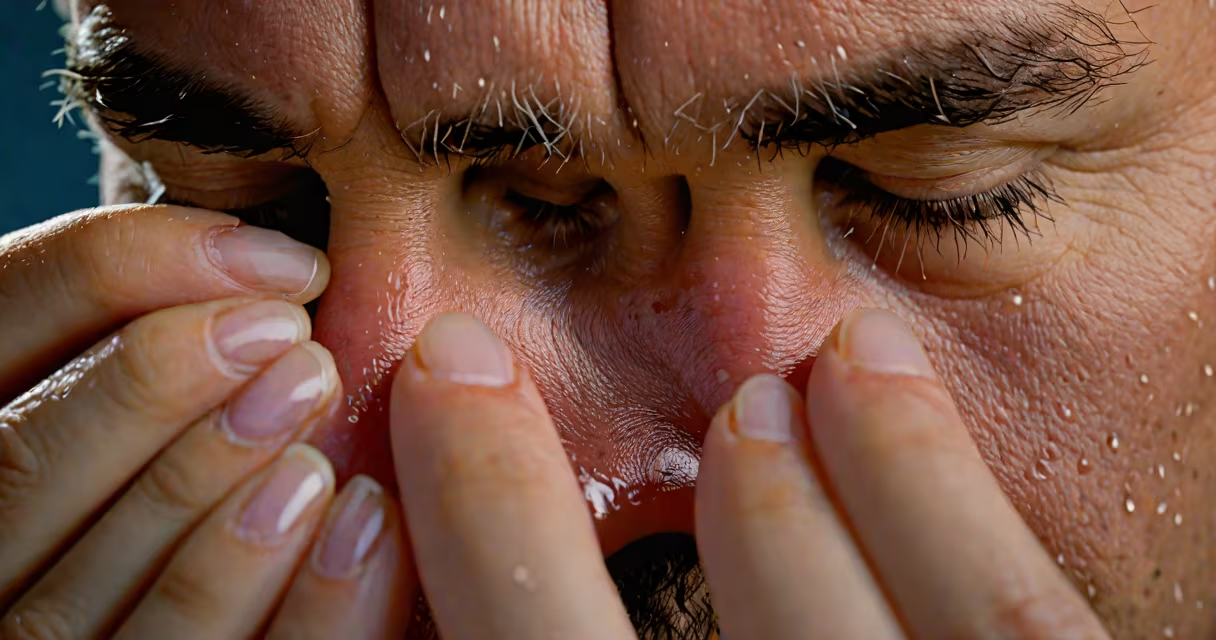
Itchy runny nose and watery eyes are symptoms of allergic rhinitis, commonly known as hay fever, caused by an immune system overreaction to airborne allergens like pollen, mold spores, dust mites, or pet dander. These reactions trigger inflammation in the nasal passages and conjunctiva, leading to itching, excessive mucus production, and eye tearing.
The condition affects approximately 10-30% of adults and children globally, according to the World Allergy Organization. Symptoms typically appear within minutes of exposure and persist as long as the allergen remains in the environment. Unlike viral infections, allergic responses do not cause fever or body aches.
When allergens enter the nose or eyes, immune cells release histamine, which dilates blood vessels and increases fluid leakage into tissues. This causes swelling, redness, and increased secretions. The same mechanism explains why antihistamines reduce symptoms-they block histamine receptors.
Allergic rhinitis begins when allergens bind to IgE antibodies on mast cells in the nasal lining. Once activated, these cells release histamine and other inflammatory mediators. Within seconds, blood vessels widen, and the mucous membranes swell, leading to a runny nose and nasal congestion.
Eye involvement occurs when allergens reach the conjunctiva-the thin membrane covering the eyeball and inner eyelid. Mast cell activation here causes blood vessel dilation, increased tear production, and intense itching. The eyes may appear red and swollen, especially upon waking.
A 2021 study published in Frontiers in Immunology found that individuals with a family history of allergies are twice as likely to develop allergic rhinitis. Genetic predisposition influences immune response sensitivity, making some people react strongly to low levels of allergens others tolerate.
Seasonal allergic rhinitis flares during specific times of year due to pollen from trees, grasses, or weeds. Tree pollen peaks in early spring, grass pollen in late spring and summer, and ragweed in fall. Indoor triggers include dust mites, mold, and pet dander, which can cause year-round symptoms.
| Type | Primary Triggers | Typical Onset | Duration |
|---|---|---|---|
| Seasonal | Pollen (trees, grass, weeds) | Spring, summer, fall | Weeks to months |
| Perennial | Dust mites, mold, pet dander | Year-round | Continuous unless allergen removed |
| Occupational | Wood dust, chemicals, flour | Workplace exposure | During work hours |
Some people experience both seasonal and perennial symptoms simultaneously. For example, someone with dust mite sensitivity may have year-round mild congestion but severe episodes during ragweed season.
Itchy runny nose and watery eyes are frequently mistaken for a cold or sinus infection. However, viral upper respiratory infections usually last 7-10 days and may include fever, sore throat, and fatigue-symptoms absent in allergies.
Another common mix-up is between allergic conjunctivitis and dry eye syndrome. Dry eye causes burning, grittiness, and blurred vision, not itchiness or tearing. A 2020 review in Cornea noted that patients with dry eye often report worsening symptoms in air-conditioned rooms, while those with allergic conjunctivitis improve after removing allergens.
Untreated allergic rhinitis can lead to chronic sinusitis or ear infections due to blocked Eustachian tubes. The American Academy of Otolaryngology-Head and Neck Surgery reports that 30% of chronic sinusitis cases are linked to undiagnosed allergies.
Consider Sarah, a 32-year-old teacher who experiences itchy runny nose and watery eyes every April. Her symptoms start when she walks through the school courtyard, where birch trees are in bloom. Within 15 minutes, her nose runs continuously, her eyes water, and she scratches her nose uncontrollably.
She uses a nasal steroid spray daily during spring and takes loratadine (Claritin) at night. Her symptoms improve, but she still sneezes when entering classrooms with old carpeting-likely due to dust mites. She recently consulted an allergist and confirmed sensitivity to birch pollen and dust mites via skin prick testing.
Her case illustrates how multiple allergens can coexist. Even after treating one trigger, residual symptoms may persist if other allergens remain unaddressed.
High ozone levels can worsen allergic symptoms even in the absence of new allergens. A 2022 study in Environmental Health Perspectives showed that elevated ground-level ozone increases nasal inflammation and reduces the effectiveness of intranasal corticosteroids by up to 25%.
This means that on high-ozone days, allergy sufferers may need higher medication doses or additional protection. Checking local air quality reports-available through the EPA's AirNow website-can help predict symptom flare-ups.
First-line treatment includes non-sedating antihistamines like cetirizine or fexofenadine. These block histamine receptors and relieve itching, sneezing, and runny nose. They're most effective when taken before symptoms begin.
Nasal corticosteroid sprays such as fluticasone or mometasone reduce inflammation and are effective for persistent symptoms. They take 1-2 days to work but provide sustained relief. Patients should use them consistently, not just when symptoms flare.
For eye symptoms, antihistamine eye drops like olopatadine or ketotifen offer targeted relief. Cold compresses applied to closed eyes can reduce swelling and soothe itchiness temporarily.
Environmental control is critical. Use HEPA filters in bedrooms, wash bedding weekly in hot water (>130°F), and avoid drying clothes outdoors during high pollen seasons. When outdoors, wear sunglasses and a hat to reduce allergen contact with eyes.
I once observed a patient with severe seasonal allergies who improved dramatically after switching from a standard air purifier to a HEPA-filter model with a carbon layer. The carbon reduced volatile organic compounds (VOCs) that exacerbate nasal irritation-something many commercial models omit.
See an allergist if symptoms interfere with sleep, concentration, or daily activities. Testing can confirm specific triggers and guide immunotherapy (allergy shots or sublingual tablets).
Immunotherapy reprograms the immune system over time. After 3-5 years, about 70% of patients achieve significant symptom reduction, according to the National Institute of Allergy and Infectious Diseases.
If symptoms include facial pain, thick yellow-green discharge, or fever, consider bacterial sinusitis. These signs indicate infection rather than allergy and require antibiotics.
Itchy runny nose and watery eyes are not just minor annoyances. They reflect a measurable immune response to environmental triggers. Identifying the specific allergens and using evidence-based treatments can restore comfort and function.
Managing itchy runny nose and watery eyes involves recognizing triggers, using appropriate medications, and modifying the environment. Early intervention prevents complications and improves quality of life.