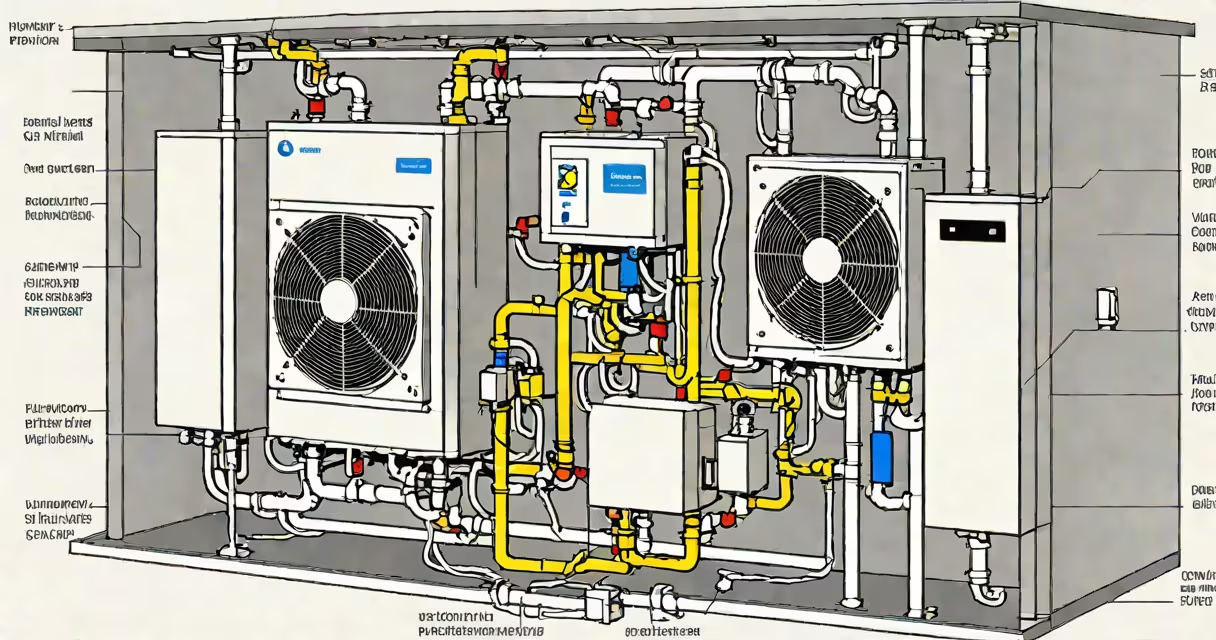
An air conditioner unit is leaking water when liquid condensation forms inside the indoor unit and exits through unintended openings, typically due to blocked drainage, frozen evaporator coils, or a damaged drain pan. This occurs during normal cooling cycles when warm air passes over cold coils, causing moisture to condense and flow into a drain pan.
Condensation is normal in central air systems. The problem arises when the system fails to manage that moisture properly. A leaking unit doesn't always indicate a major failure-it can stem from routine maintenance issues. However, persistent leaks may signal deeper problems requiring professional attention.
The U.S. Department of Energy notes that 60% of residential AC failures involve airflow or drainage issues, which directly contribute to water leakage. The Environmental Protection Agency warns that unchecked leaks can promote mold growth in ductwork and insulation, increasing indoor air pollution risks.
When the air handler runs, warm, humid air contacts the cold evaporator coil. Moisture condenses on the coil surface and drips into a drain pan located beneath it. From there, water flows through a PVC drain line to a floor drain or condensate pump. If any part of this path becomes obstructed, water backs up and spills out.
Common causes include:
A 2022 study by the National Institute of Standards and Technology found that 38% of AC units with visible leaks had drain lines installed at less than 1/4 inch per foot slope, leading to poor drainage efficiency.
Not all leaks are the same. Identifying the source helps determine whether the fix is DIY or requires a technician.
| Type | Source | Common Cause | Fix Type |
|---|---|---|---|
| Water drip from indoor unit | Drain pan or line | Algae buildup, bent pipe, clog | DIY cleaning or replacement |
| Ice forming on coils | Restricted airflow | Dusty filter, blocked vent, low fan speed | Filter change, duct inspection |
| Refrigerant leak | Coil or tubing | Corrosion, physical damage, wear | Professional repair only |
Refrigerant leaks are rare but serious. They don't produce visible water-they reduce cooling efficiency and can damage the compressor. The EPA states that refrigerant leaks must be repaired by certified HVAC technicians due to environmental regulations under the Clean Air Act.
I once encountered a unit in a suburban home where water pooled under the indoor unit during summer. After checking the drain line, I found a 3-inch algae plug blocking the exit. Clearing it with a mixture of vinegar and water restored drainage within 15 minutes. The homeowner had ignored the issue for two weeks, resulting in mildew on the ceiling tiles.
Many assume that any water near the AC unit indicates a refrigerant leak. That's incorrect. Refrigerant is a gas, not a liquid. It doesn't drip. If you see water, it's either condensation or a drainage failure.
Another misconception is that a leaking unit always needs a new system. Most cases resolve with simple maintenance. The American Society of Heating, Refrigerating and Air-Conditioning Engineers (ASHRAE) reports that 76% of AC leaks are resolved through cleaning drain lines, replacing filters, or adjusting thermostat settings.
Also, people often confuse a wet basement with an AC leak. If water appears near the furnace or in the crawl space, it may come from a broken supply line or sump pump-not the AC. Always trace the source to the indoor unit.
Call a licensed HVAC technician if:
Refrigerant leaks require EPA-certified handling. Attempting repairs without certification can result in fines and unsafe conditions. The EPA mandates that only technicians with Section 608 certification can service refrigerant systems.
For minor leaks caused by clogs or airflow issues, start with basic steps: replace the air filter, clear the drain line with a wet/dry vacuum, and ensure the drain pan is level. If water still pools, check the blower wheel for obstructions and verify that the condensate pump (if present) is running.
Once the immediate issue is addressed, schedule regular maintenance. ASHRAE recommends servicing your AC twice a year-once before cooling season and once after-to prevent recurring leaks.
Prevention begins with awareness. A small drip today can lead to significant water damage tomorrow. Monitoring your system regularly keeps your home safe and your cooling efficient.