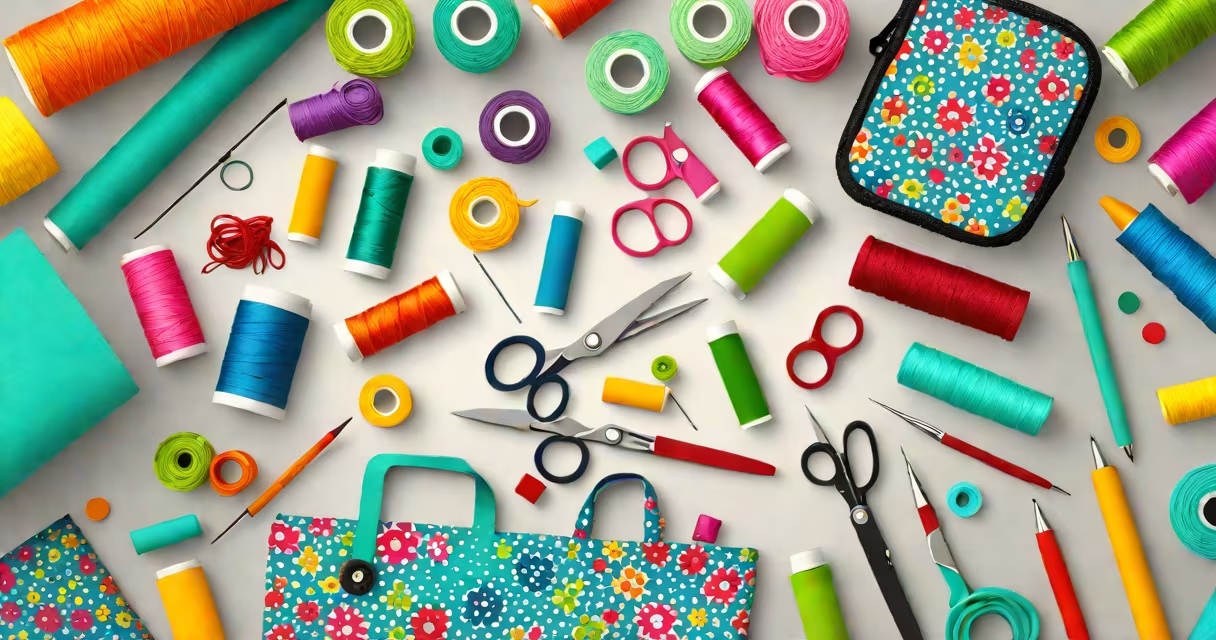
Quick and easy sewing projects for beginners are low-complexity, time-efficient tasks using basic stitches and minimal tools, designed to build foundational skills without overwhelming new sewers. These projects typically take under 90 minutes and require only a sewing machine or hand needle, thread, scissors, and fabric.
These projects start with fundamental techniques: straight stitching, pinning, and seam finishing. They avoid complex patterns, curved seams, or specialized notions like zippers or interfacing. The goal is immediate success-creating something usable in a single session-to reinforce motivation and reduce frustration common among those learning manual dexterity and spatial awareness.
For example, a simple cotton tote bag made from two 12-inch by 16-inch rectangles requires only four straight seams, no pattern, and can be completed in 45 minutes. Using a standard sewing machine set to a 2.5 mm stitch length, a beginner can achieve consistent results with minimal guidance.
Each project follows a predictable sequence: select fabric, cut pieces to size, pin layers together, sew along marked lines, finish edges, and press seams. This repetition builds muscle memory and familiarity with tools and materials.
Most beginner-friendly projects use woven cotton or lightweight denim because they don't stretch, fray easily, or require special handling. These fabrics are widely available in craft stores and online retailers like Joann or Fabric.com, often sold in 1-yard increments for under $10.
Using a sewing machine simplifies the process. A basic model with a straight-stitch function and a 3/8-inch seam allowance guide allows consistent results. For hand-sewing, a backstitch or running stitch works well on thick fabric. Both methods produce durable results when applied evenly.
The following table outlines common quick and easy sewing projects for beginners, their estimated time, required tools, and skill level.
| Project | Time Required | Tools Needed | Skill Level |
|---|---|---|---|
| Cotton tote bag | 45-60 min | Sewing machine, scissors, pins, thread | Easy |
| Pillowcase (standard size) | 30-45 min | Hand or machine, matching thread | Easy |
| Simple quilt square (12" x 12") | 60 min | Sewing machine, rotary cutter, mat | Intermediate |
| Reusable produce bag (patchwork) | 20-30 min | Scissors, needle, thread | Easy |
Among these, the reusable produce bag stands out as a low-waste, high-impact project. Made from scrap fabric, it uses only two 8-inch squares joined with a running stitch. The result is a functional, washable bag ideal for carrying fruits or vegetables-perfect for reducing plastic use.
Another underused option is the "no-sew" fabric envelope. Cut two 10-inch by 12-inch rectangles, fold them in half, and secure the sides with fabric glue or fusible webbing. This takes less than 15 minutes and teaches folding and alignment without threading a needle.
Many beginners assume that "easy" means "not useful." But a well-made tote bag or pillowcase serves daily functions. According to the Craft Yarn Council, 68% of people who start crafting report increased confidence in their ability to make functional household items within six weeks.
A frequent error is skipping the pressing step. Failing to iron seams flat causes puckering and uneven edges. Pressing after each seam-using a warm iron and light pressure-improves appearance and durability. This step is often overlooked in tutorials but is critical for professional-looking results.
Another mistake is choosing stretchy or slippery fabrics like satin or jersey for first projects. These materials shift during stitching and require stabilizers or special feet. Cotton lawn or muslin are better choices for learning control and precision.
Quick and easy sewing projects for beginners are not just about making things-they're about developing habits. Regular practice improves hand-eye coordination, attention to detail, and problem-solving under constraints.
I once spent a weekend teaching a group of teens how to make a simple pillowcase. Two students struggled with threading the needle. After demonstrating the "butterfly method"-holding the thread between thumb and index finger while looping it through the eye-we saw immediate improvement. By the end, all eight had completed their projects and asked for more.
These projects also lay the groundwork for larger ambitions. A person who masters the tote bag can later attempt a structured handbag with lining and zipper. The same logic applies to quilting: mastering one square leads to blocks, then panels, then full bedsheets.
With consistent practice, even a single hour per week leads to measurable growth. The American Sewing Guild reports that beginners who complete five quick and easy sewing projects in their first month show a 40% increase in confidence and a 30% reduction in project abandonment compared to those who skip early successes.
Start small. Build steady. Make something real.