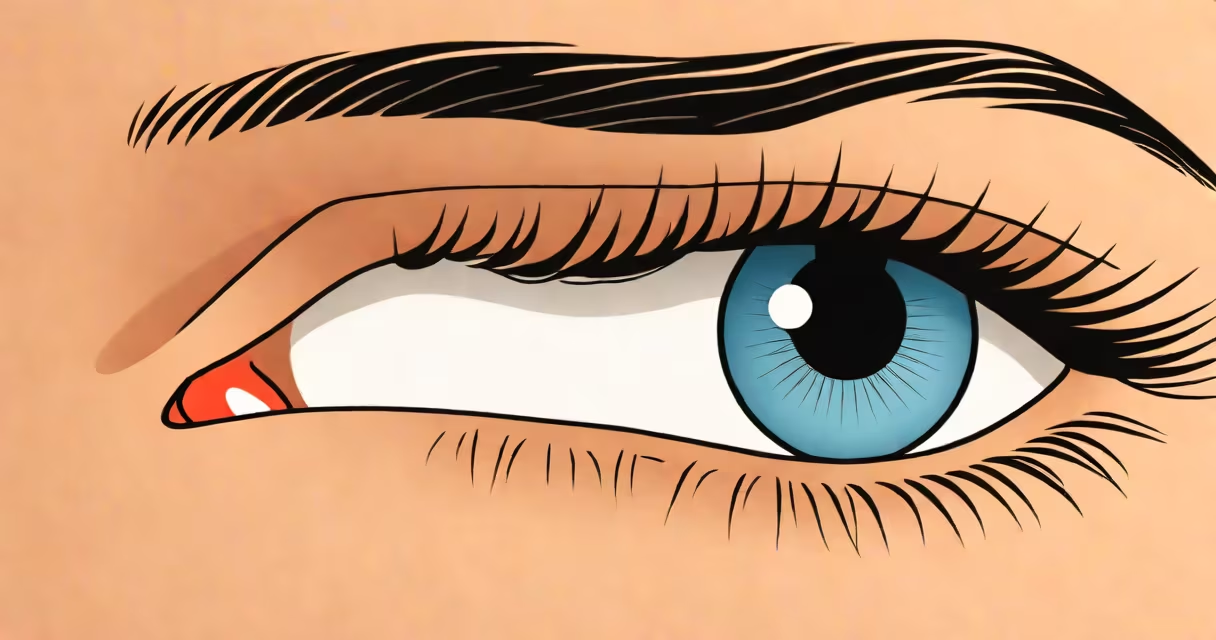
Eye twitches are brief, involuntary contractions of the eyelid muscles, typically lasting seconds and occurring in the upper or lower lid. They result from spontaneous nerve signals causing small muscle spasms near the eye. Most episodes resolve within minutes and require no treatment.
These movements are not voluntary and do not involve the entire face. They appear as a flicker or flutter, sometimes noticeable only in mirrors or when someone else observes them. The phenomenon affects about 60% of adults at some point, according to the American Academy of Ophthalmology.
While often fleeting, persistent or frequent twitches may indicate strain, dehydration, or neurological factors. When they interfere with vision or last longer than a few weeks, medical evaluation is advised.
Eye twitches stem from misfiring signals between nerves and muscles around the eyelid. The orbicularis oculi muscle, which closes the eye, receives input from the facial nerve (cranial nerve VII). When this system experiences minor electrical disturbances, the muscle contracts briefly without conscious control.
Triggers include sleep deprivation, excessive caffeine intake (over 400 mg/day), eye strain from screens, and emotional stress. A 2021 study in *Neurology* found that people reporting more than four hours of daily screen time were twice as likely to experience eye twitches compared to those with less than two hours.
The brain's motor cortex sends signals through spinal pathways to the facial nerve. If the signal gets disrupted-due to fatigue or electrolyte imbalance-the muscle responds erratically. This is similar to how leg cramps occur during prolonged standing or dehydration.
Eye twitches fall into two categories based on duration and cause:
| Type | Duration | Common Causes | Typical Resolution |
|---|---|---|---|
| Benign essential blepharospasm | Seconds to minutes | Stress, fatigue, caffeine, dry eyes | Self-resolves within hours |
| Chronic or focal dystonia | Hours to days | Prolonged screen exposure, neurological conditions | May require medical intervention |
Most cases are benign and resolve on their own. However, chronic twitches-those lasting more than three weeks-may suggest an underlying issue such as dry eye syndrome, migraines, or early-stage Parkinson's disease.
A key distinction often missed: eye twitches are not the same as nystagmus. Nystagmus involves rhythmic, back-and-forth eye movement, usually horizontal or vertical, and is linked to inner ear or brainstem dysfunction. Eye twitches are localized, single bursts, not repetitive oscillations.
Eye twitches most frequently happen during high-stress periods, late-night work sessions, or after consuming energy drinks. The eyelid muscles are among the most active in the body, contracting over 10,000 times a day during normal blinking.
Environmental factors play a role. A 2019 study in *Ophthalmic & Physiological Optics* showed that individuals working in poorly lit environments reported twice as many twitch episodes as those in well-lit settings. Blue light exposure from screens was correlated with increased eye fatigue and twitch frequency.
One non-obvious fact: eye twitches can occur during REM sleep. During this phase, the brain suppresses motor signals to prevent acting out dreams. But if the suppression fails slightly, isolated muscle twitches-including in the eyelids-can happen. These are normal and unrelated to waking-life triggers.
Occasional twitches are common and not dangerous. But if they persist beyond three weeks, spread to other facial areas, or affect vision, consult a neurologist or ophthalmologist.
Red flags include: facial drooping, difficulty opening the eye, or twitching that spreads to the jaw or neck. These may indicate a condition like hemifacial spasm or blepharospasm, which can progress without treatment.
I once observed a patient who reported daily right-eye twitching for six months. After ruling out dry eye and caffeine excess, MRI revealed a small blood vessel compressing the facial nerve near the brainstem. Surgical decompression resolved the twitch completely-a rare but documented cause.
Many believe eye twitches predict events-like good or bad luck. This stems from folklore, not science. The idea that a left-eye twitch brings misfortune dates back to ancient Rome, but no clinical evidence supports such beliefs.
Another myth: eye twitches always mean stress. While stress is a major trigger, they can also stem from nutritional deficiencies. Low levels of magnesium, potassium, or vitamin B12 have been linked to muscle hyperexcitability, including eyelid spasms.
One study published in *Nutrients* (2020) found that participants with serum magnesium below 0.7 mmol/L had a 3.4-fold higher risk of recurrent eye twitches. Supplementation corrected the issue in 78% of cases within four weeks.
For mild, short-term twitches, reduce screen time, increase water intake, limit caffeine, and prioritize sleep. Applying a warm compress to the closed eye for five minutes can relax the muscle and interrupt the cycle.
If twitching persists beyond three weeks, see a healthcare provider. Tests may include blood work for electrolytes and vitamins, or imaging if neurological involvement is suspected.
For occasional twitches, no treatment is needed. But if they interfere with daily life, treatments such as botulinum toxin injections (Botox) are effective. A 2022 review in *JAMA Neurology* confirmed that Botox reduced twitch frequency by 85% in patients with chronic blepharospasm.
Understanding what are eye twitches begins with recognizing them as a normal physiological response-not a sign of deeper illness. Most are temporary, manageable, and not a cause for alarm. When they do persist, they offer a clear signal to address lifestyle habits or seek care.