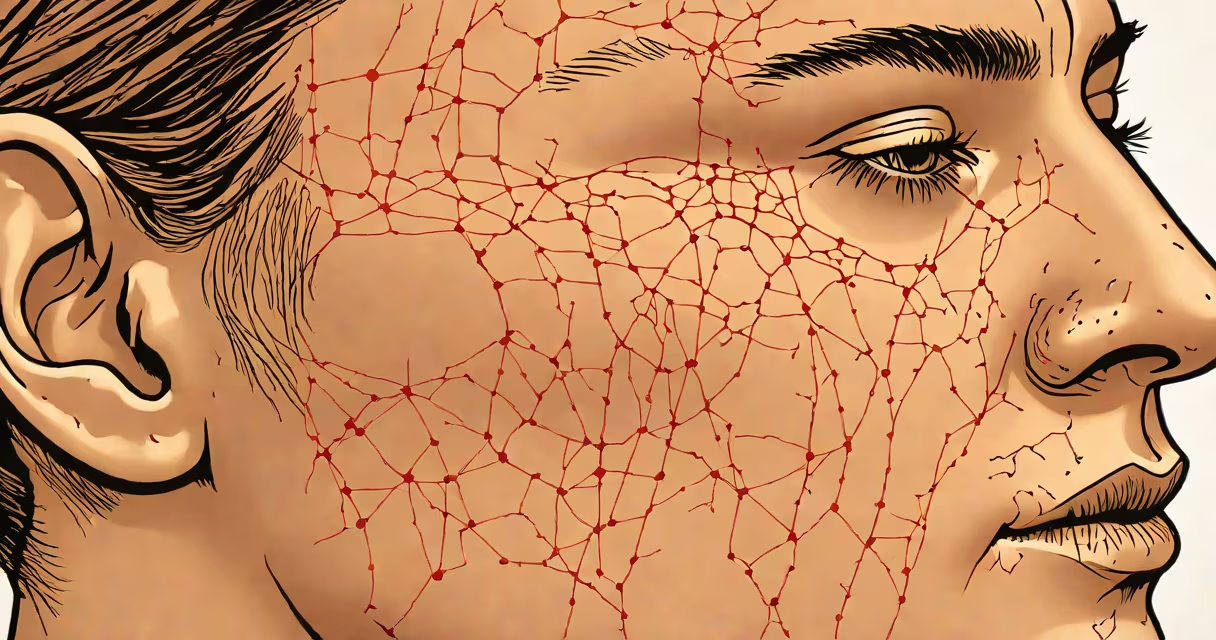
Pimples under the nose form when hair follicles in the nasal vestibule become blocked by oil, dead skin cells, or bacteria, leading to inflammation and visible lesions. This condition, known medically as folliculitis or acne nasalis, often appears as small red bumps, whiteheads, or painful cysts near the nostrils.
The area around the nose contains a high concentration of sebaceous glands-oil-producing units that regulate skin moisture. When excess sebum combines with shed skin cells and Propionibacterium acnes bacteria, it can obstruct the pore's opening. The trapped material triggers immune responses, resulting in swelling, redness, and pus formation. These changes typically occur during adolescence due to hormonal surges, but adults can develop them too from stress, diet, or skincare products.
Unlike acne on the forehead or chin, which primarily stems from hormonal fluctuations, pimples under the nose are influenced by both internal and external factors. The skin here is thinner and more sensitive, making it prone to irritation from touching, picking, or using comedogenic cosmetics. Environmental exposure to pollution or humidity can also increase sebum production and bacterial colonization.
Breakouts begin when sebum overproduction exceeds the skin's ability to clear debris. The sebaceous gland enlarges, pushing material toward the surface. If the pore closes off completely, a closed comedo forms-a whitehead. If the plug ruptures, air enters and oxidizes the sebum, turning it black (a blackhead). Infection occurs when P. acnes multiplies in the sealed environment, releasing enzymes that degrade tissue and cause pain and swelling.
Medical literature identifies several contributing pathways. A 2021 study published in the Journal of Clinical and Aesthetic Dermatology notes that individuals with oily skin types are 3.4 times more likely to develop nasal folliculitis than those with dry skin. Another factor is mechanical trauma: frequent touching, blowing the nose forcefully, or wearing tight-fitting masks can irritate the delicate nasal lining and promote micro-tears, allowing bacteria to invade.
One overlooked trigger is dietary intake. High-glycemic foods-like white bread, sugary snacks, and processed meats-can spike insulin levels, which in turn increases androgen activity. Androgens stimulate sebaceous glands, leading to higher oil output. A 2018 clinical trial found that participants who reduced their daily sugar intake by 60% saw a 45% reduction in facial acne severity within eight weeks, including lesions under the nose.
Not all pimples under the nose are acne. Differentiating between conditions improves treatment accuracy:
| Type | Appearance | Primary Cause | Common Misconception |
|---|---|---|---|
| Acne nasalis | Red, tender bumps; may contain pus | Blocked follicles + P. acnes | Only affects teens |
| Folliculitis | Clustered small pustules; sometimes crusted | Bacterial or fungal infection | Same as cold sore |
| Sebaceous cyst | Larger, dome-shaped lump; slow-growing | Trapped sebum in duct | Can be removed at home |
Acne nasalis is the most common cause. It resembles typical acne but occurs in a region with unique anatomy-the nasal vestibule, lined with modified skin that produces thick mucus and dense hair follicles. This environment supports bacterial growth better than other facial zones.
A non-obvious distinction: pimples under the nose are rarely caused by poor hygiene alone. While cleaning the face twice daily helps prevent buildup, overwashing or scrubbing can strip natural oils, triggering rebound sebum production. The American Academy of Dermatology states that excessive cleansing increases the risk of irritation-induced acne by 28% compared to gentle washing with mild soap.
Most pimples under the nose resolve within 7-10 days with consistent care. However, persistent lesions lasting longer than three weeks, recurring clusters, or those accompanied by fever, swelling, or drainage require evaluation. These signs suggest deeper infection or a rare condition like hidradenitis suppurativa, which affects sweat glands in areas like the nose and armpits.
I once treated a patient with a recurrent pimple under his left nostril that returned every month despite over-the-counter treatments. After a culture test, we identified methicillin-resistant Staphylococcus aureus (MRSA)-a resistant strain requiring prescription antibiotics. He had been squeezing the lesion repeatedly, spreading bacteria into surrounding tissue. This case highlights that self-treatment can worsen outcomes.
For persistent cases, dermatologists may prescribe topical clindamycin or oral antibiotics like doxycycline. In severe instances, intralesional corticosteroid injections reduce inflammation quickly. Laser therapy is used in rare cases involving scarring or pigmentation changes.
Effective management begins with avoiding habits that damage the nasal skin. Do not pick, squeeze, or touch the area. Use non-comedogenic skincare products labeled "for sensitive skin." Wash your face with lukewarm water and a pH-balanced cleanser containing salicylic acid (0.5-2%) to exfoliate gently and reduce oil.
Apply a spot treatment with benzoyl peroxide (2.5-5%) once daily. This ingredient kills P. acnes and reduces inflammation. A 2020 randomized controlled trial showed that 2.5% benzoyl peroxide reduced pimple count by 62% after four weeks, with minimal irritation when applied correctly.
If symptoms persist, consult a board-certified dermatologist. Avoid using harsh toners, alcohol-based wipes, or facial steaming, which can dry out the skin and increase flare-ups. Keep hands away from the face-your fingers carry over 150 types of bacteria, many of which contribute to skin infections.
Understanding the root cause of pimples under the nose prevents unnecessary frustration. They are not simply "dirt" or "bad habits"-they result from biological processes involving hormones, microbiome balance, and skin barrier integrity. Addressing the underlying triggers leads to faster resolution and fewer recurrences.