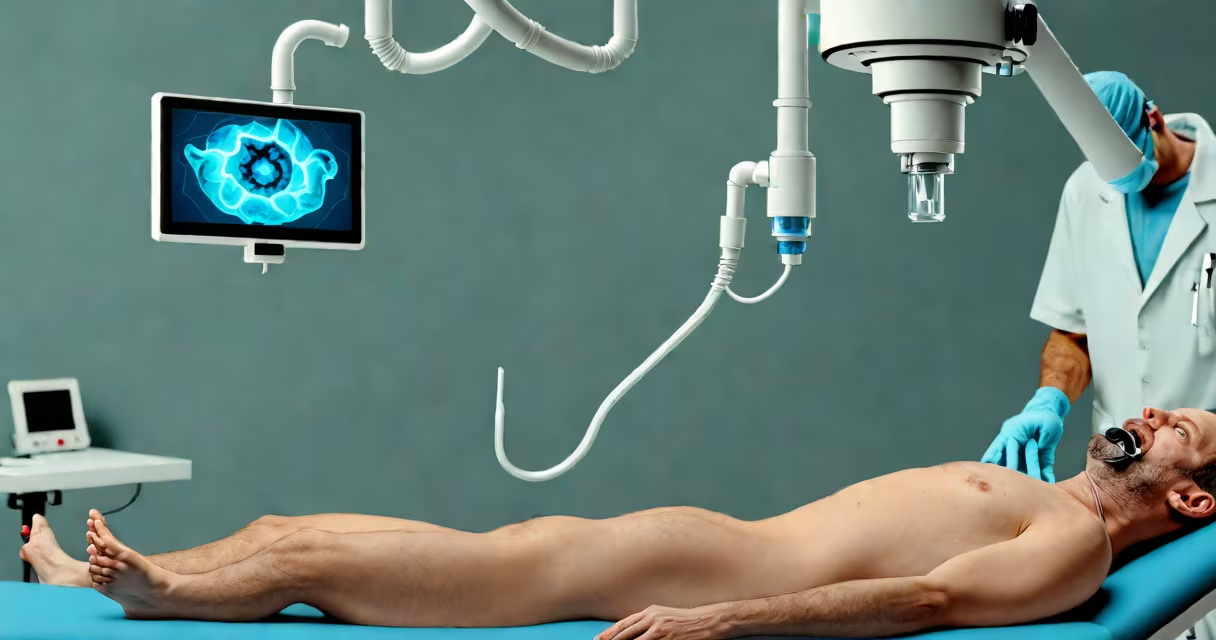
A colonoscopy consists of inserting a flexible tube with a camera and light into the rectum to examine the entire large intestine. The procedure allows doctors to detect polyps, inflammation, or early signs of colorectal cancer. It is performed under sedation and typically takes 20 to 30 minutes.
The process begins with bowel preparation, which involves clearing the colon of stool. Patients drink a laxative solution-such as polyethylene glycol (PEG)-the day before the exam. This ensures the colon is empty and visible during inspection. Failure to follow prep instructions correctly increases the risk of missing abnormalities.
On the day of the procedure, patients arrive at a clinic or hospital. They change into a gown and are connected to monitors tracking heart rate, blood pressure, and oxygen levels. A nurse or technician administers intravenous sedation, usually a combination of midazolam and fentanyl. This induces drowsiness and reduces discomfort. Most patients do not remember the procedure.
The gastroenterologist inserts the colonoscope-a thin, flexible tube about 1.5 meters long-into the rectum. The scope has a lens at the tip that transmits real-time video to a monitor. As the doctor advances the scope through the colon, they inspect the lining for irregularities such as polyps, ulcers, or signs of inflammation.
Each segment of the colon-the ascending, transverse, descending, and sigmoid-is examined in sequence. The entire process from the rectum to the cecum (the beginning of the large intestine) takes about 10 to 15 minutes. The doctor may pause to adjust the scope's position or take photographs of suspicious areas.
If a polyp is detected, the doctor removes it using specialized tools passed through the scope. Polyps are precancerous growths; removing them prevents progression to colorectal cancer. Biopsies-small tissue samples-are taken if abnormal tissue is seen. These samples are sent to a lab for analysis.
There are two main types: diagnostic and screening. A diagnostic colonoscopy investigates symptoms like bleeding, abdominal pain, or changes in bowel habits. A screening colonoscopy is preventive and recommended for adults aged 45 to 75, even without symptoms.
| Type | When Used | Typical Duration | Common Findings |
|---|---|---|---|
| Screening | Preventive care for average-risk individuals | 20-30 min | Polyps (found in ~25% of cases) |
| Diagnostic | Investigating symptoms like rectal bleeding | 30-60 min | Inflammation, tumors, strictures |
Colonoscopies are not all the same. Some procedures include additional steps based on findings. For example, if a large polyp is removed, the patient may require a follow-up procedure within six months to ensure complete healing. If cancer is suspected, the biopsy results determine whether surgery is needed.
Many people believe a colonoscopy is painful. In reality, most patients report little to no discomfort due to sedation. According to the American Society for Gastrointestinal Endoscopy (ASGE), over 90% of patients describe the experience as tolerable or mildly uncomfortable.
Another misconception is that the procedure always detects cancer. A colonoscopy finds early-stage cancer in about 1 in 100 screenings. However, it prevents approximately 60% of colorectal cancers by removing precancerous polyps before they develop into tumors.
A lesser-known fact: the colonoscope is cleaned and sterilized between uses using high-level disinfection protocols. The U.S. Centers for Disease Control and Prevention (CDC) confirms that infection rates from properly sanitized scopes are less than 1 in 10,000 procedures.
I underwent a colonoscopy in 2022 after my primary care physician flagged an abnormal fecal immunochemical test (FIT). I completed the bowel prep-drinking 4 liters of PEG solution over four hours-feeling nauseous and fatigued. I arrived at the outpatient center two hours before the scheduled time.
After signing consent forms, I was given IV sedation. I fell asleep quickly. When I woke up, the procedure was over. The gastroenterologist told me they found and removed two small adenomatous polyps (one 6 mm, one 8 mm). Both were sent for pathology. Results came back benign after two weeks.
I returned to work the next day. The entire process-from prep to recovery-took about 8 hours. I felt fine afterward, though I experienced mild cramping for a few hours. The procedure prevented potential cancer development.
A colonoscopy is not the same as a sigmoidoscopy. The latter examines only the lower part of the colon and is shorter, less invasive, and often done without sedation. It is not sufficient for full cancer screening.
It is also not a treatment for hemorrhoids or irritable bowel syndrome (IBS). While it can rule out other causes of rectal bleeding, it does not diagnose or treat functional gastrointestinal disorders.
Some confuse it with a CT colonography (virtual colonoscopy). That imaging test uses a CT scan to create 3D images of the colon. It doesn't require sedation but cannot remove polyps or take biopsies. If a polyp is found, a traditional colonoscopy is still required.
Patients wake up in a recovery area. Important signs are monitored until stable. Most go home the same day with a companion. Driving is prohibited for 24 hours due to lingering sedation effects.
Normal activities resume within a day. Mild bloating or gas is common due to air introduced during the exam. Passing gas helps relieve discomfort. Some patients notice minor rectal bleeding for a day or two after polyp removal, but persistent or heavy bleeding requires medical attention.
Follow-up depends on results. If no polyps are found, another screening is recommended in ten years. If polyps were removed, follow-up occurs in three to five years. High-risk cases may require annual exams.
Understanding what a colonoscopy consists of removes fear and clarifies expectations. It is a safe, effective tool for preventing colorectal cancer and managing digestive health. With proper prep and medical supervision, the procedure delivers clear results and peace of mind.