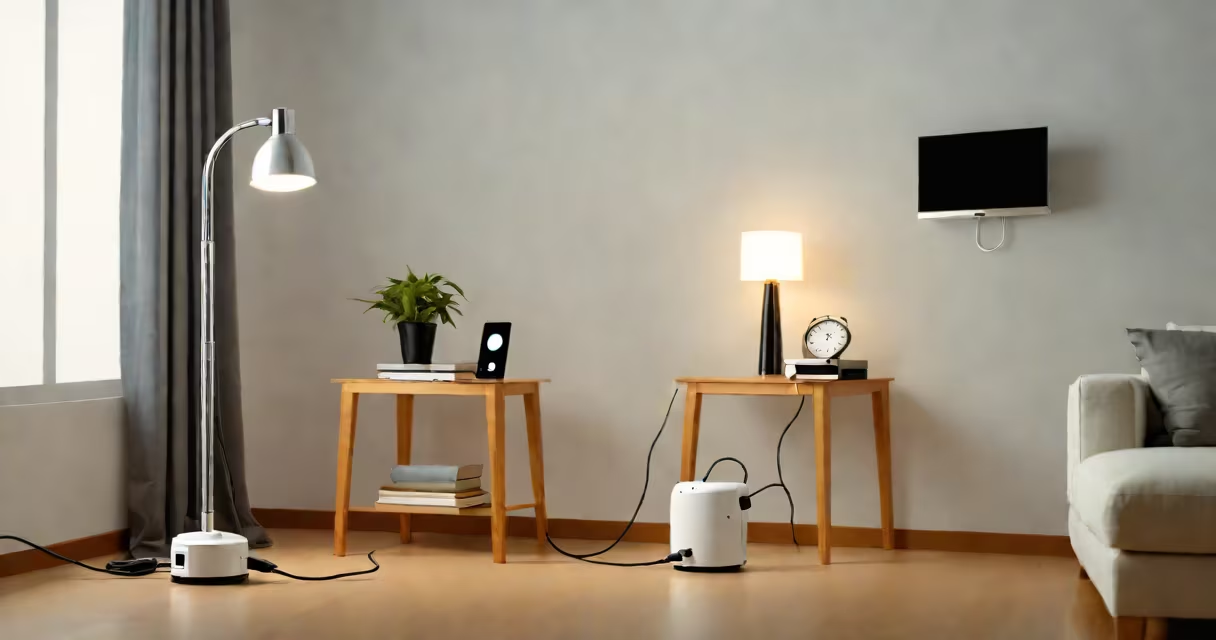
Conserving energy means using less power by reducing waste, improving efficiency, and making deliberate choices about how and when energy is consumed. It's not about deprivation-it's about intentional use to reduce strain on resources and lower emissions.
Energy conservation focuses on behavior and design choices that minimize energy demand. This includes turning off lights when leaving a room, using energy-efficient appliances, and insulating homes to reduce heating and cooling needs. The goal is to achieve the same outcomes-comfort, productivity, convenience-with less input.
According to the U.S. Department of Energy, residential buildings account for about 20% of national energy use. Simple actions like switching to LED bulbs or adjusting thermostats can cut household energy use by 10-20%. These reductions scale across millions of homes, lowering carbon output.
Conservation operates through two core mechanisms: behavioral change and technological improvement. Behavioral change involves habits-like unplugging chargers when not in use or running dishwashers only when full. Technological improvement includes upgrades such as high-efficiency HVAC systems or smart thermostats that learn usage patterns and adjust automatically.
For example, replacing a standard 60-watt incandescent bulb with a 10-watt LED reduces energy use by 83%. Over a year, one LED bulb saves about 75 kWh. Multiply that by 100 million households, and the national savings exceed 7.5 billion kWh-enough to power nearly 700,000 homes annually.
The Environmental Protection Agency notes that consistent conservation efforts can reduce a typical household's annual electricity bill by $100 to $200. These savings come not from cutting off services but from smarter usage-using energy only when needed and selecting efficient tools.
Conservation applies across sectors. Residential, commercial, industrial, and transportation contexts each have distinct strategies. The most effective approaches combine policy, infrastructure, and individual action.
| Type | Examples | Impact Example |
|---|---|---|
| Residential | Insulation, low-flow fixtures, programmable thermostats | A well-insulated home uses 30% less heating energy in winter. |
| Commercial | Occupancy sensors, daylight harvesting, server virtualization | Offices with motion-activated lighting reduce lighting energy by 40%. |
| Industrial | Waste heat recovery, variable-speed drives, optimized production schedules | Steel plants using waste heat recovery cut fuel use by 15%. |
| Transportation | Public transit, carpooling, electric vehicles, route optimization | EVs use 60% less energy per mile than gasoline cars. |
One overlooked area is "phantom load"-energy drawn by devices even when turned off. A 2021 study by the Lawrence Berkeley National Laboratory found that idle electronics consume 5-10% of residential electricity in the U.S. Unplugging a coffee maker or TV receiver when not in use eliminates this drain.
Conservation is central to climate strategy. The International Energy Agency states that energy efficiency improvements could deliver 40% of the emissions reductions needed by 2040 to meet Paris Agreement goals. It's not a backup plan-it's a primary tool.
Cities like Copenhagen and Vancouver have embedded conservation into urban planning. Copenhagen's district heating system recovers waste heat from power plants and delivers it to homes, reducing individual heating energy use by 50%. The city aims to be carbon neutral by 2025, with conservation as a key pillar.
Businesses also benefit. Walmart reduced its global energy intensity by 20% between 2010 and 2020 through warehouse lighting upgrades, refrigeration optimization, and solar installations. This saved $1 billion in energy costs and reduced emissions by 1.5 million metric tons of CO₂ equivalent.
People often confuse conserving energy with reducing energy use. They're related but not the same. Conserving energy means using less without sacrificing function. Reducing energy use may involve giving up comfort or access-like living without air conditioning in summer.
Another mistake is assuming conservation only matters in wealthy nations. In sub-Saharan Africa, where 600 million people lack reliable electricity, conservation enables better access. Solar microgrids paired with efficient lighting and appliance use extend service hours and reduce battery drain. A single solar lantern with an LED bulb can replace kerosene lamps, saving families $100/year and eliminating indoor air pollution.
Some believe conservation is passive-just turning off lights. But it's proactive. It requires planning: choosing efficient products, maintaining equipment, and designing spaces for natural light and airflow. I installed a programmable thermostat in my apartment and adjusted window coverings seasonally. Over six months, my heating bill dropped 22%, and the space felt more comfortable.
Finally, conservation isn't limited to electricity. It applies to water, materials, and time. Turning off the tap while brushing teeth saves 20 gallons per week-equivalent to 1,000 gallons per year. That's conservation in action, even if it doesn't involve a circuit breaker.
Similarly, non-renewable energy sources like coal and oil are finite and polluting. While transitioning away from them is essential, conservation reduces reliance faster and cheaper. For every kilowatt-hour saved, there's no need to burn fossil fuels. According to the American Council for an Energy-Efficient Economy, energy efficiency investments yield higher returns than new power plant construction.
Conserving energy is not a luxury. It's a necessity for long-term sustainability. It reduces bills, strengthens grid resilience, and slows climate change. The most effective solutions combine personal habits with systemic upgrades-like building codes that require insulation standards or incentives for retrofitting older homes.
Every decision to unplug, adjust, or redesign contributes to a larger shift. Conserving energy means recognizing that every watt counts-and acting accordingly.