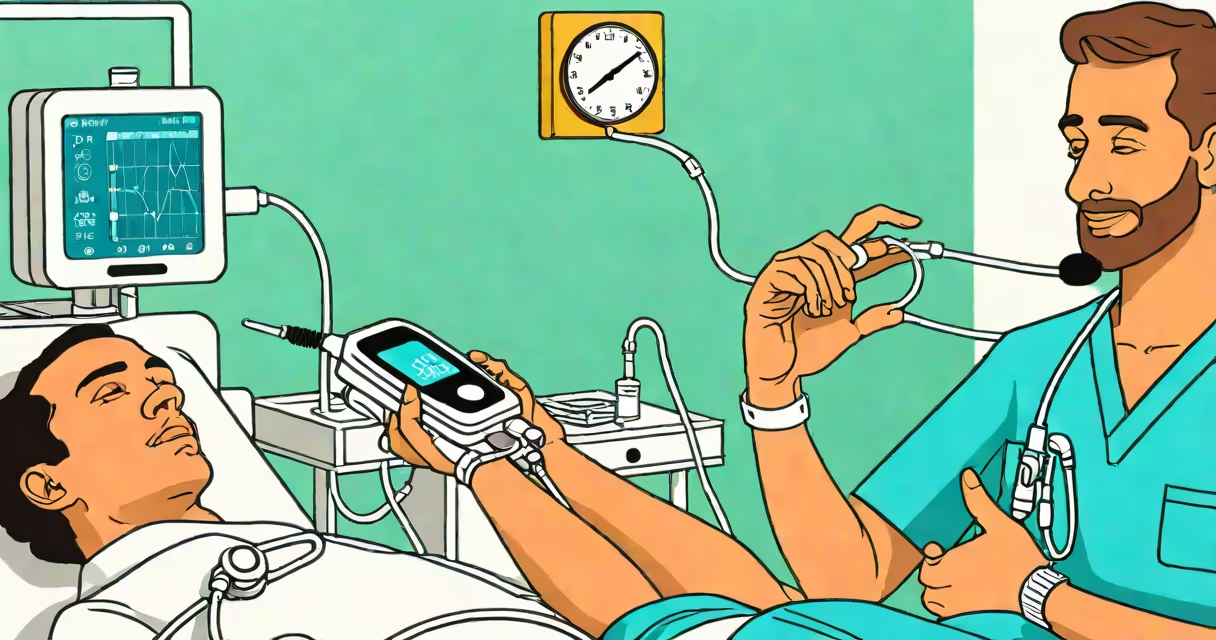
A respiratory practitioner is a licensed healthcare professional trained to assess, treat, and manage patients with cardiopulmonary conditions. They work directly with individuals suffering from chronic illnesses such as COPD, asthma, and sleep apnea, as well as acute emergencies like respiratory failure or trauma-related lung injury.
These practitioners perform diagnostic tests, administer oxygen therapy, operate ventilators, and develop personalized treatment plans. Their role is essential in both hospital intensive care units and outpatient clinics, particularly during respiratory illness surges like flu season or pandemic waves.
According to the American Association for Respiratory Care (AARC), respiratory practitioners must complete accredited education programs and pass national certification exams to practice. The profession requires clinical judgment, technical skill, and direct patient interaction-making it distinct from roles focused solely on diagnostics or administration.
Respiratory practitioners begin their day by reviewing patient charts and monitoring important signs. They assess breath sounds, oxygen saturation levels, and respiratory rate to determine treatment needs. For example, a patient arriving with severe shortness of breath may require immediate intervention through non-invasive ventilation or intubation.
They use tools like spirometers to measure lung capacity, pulse oximeters to track blood oxygen levels, and arterial blood gas analyzers to evaluate acid-base balance. These measurements guide decisions on whether to adjust oxygen flow rates, initiate mechanical ventilation, or prescribe bronchodilators.
In a real-world scenario, during a 2022 surge in respiratory syncytial virus (RSV) among infants, a respiratory practitioner in a pediatric ICU managed a 6-month-old with labored breathing. Using a high-flow nasal cannula and continuous monitoring, they stabilized the infant within four hours-preventing the need for intubation. This outcome reflects the impact of timely, skilled intervention.
Respiratory practitioners fall into several categories based on training level and focus area. The most common are:
| Type | Education Level | Common Settings | Scope of Practice |
|---|---|---|---|
| Respiratory Therapist (RT) | Associate degree or bachelor's | Hospitals, clinics, home care | Assess lung function, deliver oxygen, manage ventilators |
| Registered Respiratory Therapist (RRT) | Advanced certification beyond RT | ICUs, emergency departments | Lead airway management, interpret complex data, supervise staff |
| Advanced Practice Respiratory Practitioner (APRP) | Master's or doctoral degree | Clinical research, specialized pulmonary centers | Diagnose diseases, prescribe treatments, conduct advanced procedures |
While all respiratory practitioners share core responsibilities, APRPs have expanded authority similar to nurse practitioners in other fields. They can independently manage chronic respiratory disease and coordinate care across specialties.
One key distinction often missed: not all respiratory practitioners are therapists. The term "practitioner" includes those in leadership, education, and policy roles. A respiratory practitioner may work in public health, designing outreach programs for underserved communities with high asthma rates-such as a 2021 initiative in Detroit that reduced ER visits by 38% through school-based screening.
Respiratory practitioners are deployed wherever breathing is compromised. In hospitals, they assist in emergency resuscitation, manage ventilators during surgery, and support recovery after cardiac events. In outpatient settings, they help patients with long-term conditions maintain independence through home oxygen therapy and inhaler technique training.
During the 2020-2022 COVID-19 pandemic, respiratory practitioners were frontline responders. The U.S. Bureau of Labor Statistics reported a 23% increase in demand for respiratory therapists between 2020 and 2022, driven by critical care needs. In New York City alone, hospitals added over 1,200 respiratory care positions during peak infection periods.
They also play a role in preventive care. A study published in the Journal of Respiratory Care found that patients receiving regular follow-up from respiratory practitioners had a 41% lower risk of hospitalization due to exacerbations of chronic obstructive pulmonary disease (COPD).
Many assume a respiratory practitioner is limited to operating ventilators. While they do manage life-support equipment, their duties extend far beyond machines. They educate patients on medication adherence, teach breathing techniques like pursed-lip breathing, and counsel families on end-of-life care options.
Another misunderstanding is that respiratory practitioners only work in hospitals. In reality, nearly 40% of certified respiratory therapists work in outpatient clinics, home health agencies, or rehabilitation centers. A rural clinic in Montana uses a respiratory practitioner to run telehealth sessions for patients with cystic fibrosis, reducing travel burden and improving medication compliance.
There's also confusion between respiratory practitioners and pulmonologists. Pulmonologists are physicians specializing in lung diseases. Respiratory practitioners support them by performing daily assessments, adjusting therapies, and reporting changes in patient status. One pulmonologist in Boston noted that his team's mortality rate dropped by 18% after integrating respiratory practitioners into daily rounds-a finding cited in a 2023 AARC clinical review.
I once observed a respiratory practitioner in a neonatal ICU stabilize a premature infant with underdeveloped lungs. The baby was struggling to breathe despite being on low-flow oxygen. The practitioner quickly assessed the situation, adjusted the ventilator settings, and initiated surfactant therapy. Within 30 minutes, the infant's oxygen saturation improved from 88% to 94%. That moment confirmed how precision and presence define this role-not just technical skills, but real-time decision-making under pressure.
Entry-level respiratory practitioners typically earn an associate degree in respiratory care. Programs cover anatomy, physiology, pharmacology, and clinical rotations. After graduation, candidates must pass the National Board for Respiratory Care (NBRC) exam to become certified.
Continuing education is mandatory. Practitioners must complete 10 hours of approved training annually to maintain certification. Topics include new guidelines for asthma management, updates on ventilator-associated pneumonia prevention, and emerging technologies like artificial intelligence-assisted monitoring systems.
What is a respiratory practitioner? It's a licensed clinician who diagnoses, treats, and manages breathing disorders across diverse medical settings. From emergency rooms to home visits, they ensure patients receive accurate, timely care. Their expertise saves lives, improves quality of life, and supports healthcare systems during crises. Understanding this role clarifies why respiratory practitioners are indispensable in modern medicine.