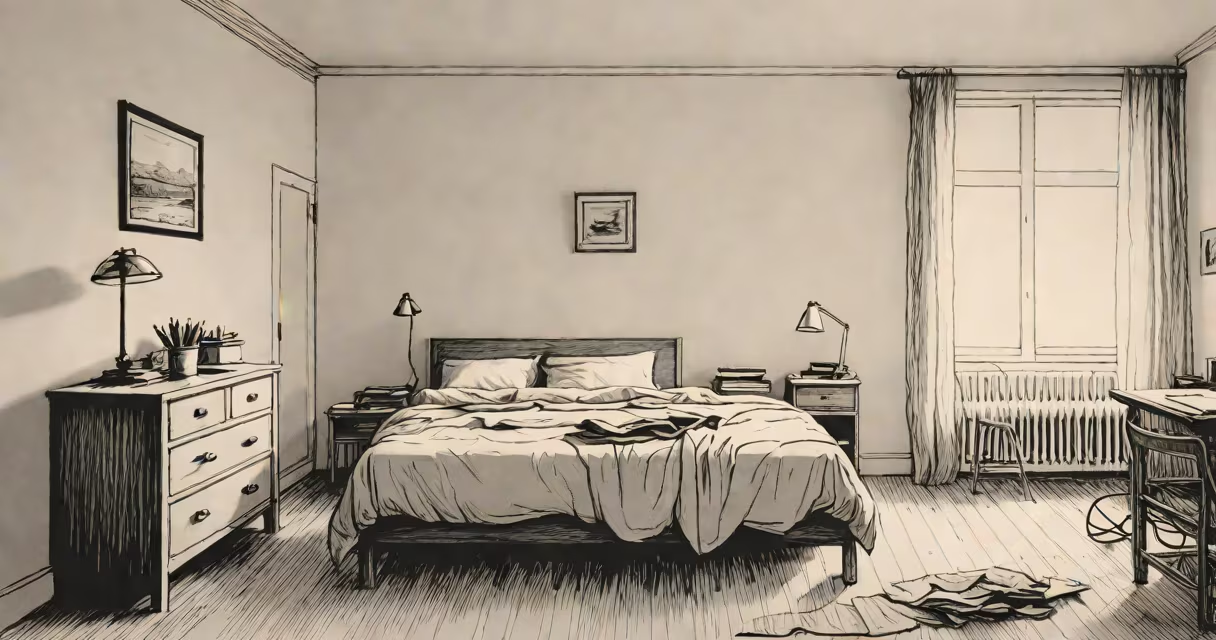
Your room smells bad because of trapped moisture, poor airflow, or microbial growth like mold and mildew. These conditions thrive in enclosed spaces with little ventilation and can produce strong, unpleasant odors even when surfaces appear clean.
Bad room smells aren't just about lingering food or dirty laundry. They're often signs of environmental issues inside your living space. The most common culprits include stagnant air, humidity buildup, and organic material decomposing in hidden areas-like behind walls, under carpets, or inside HVAC systems.
According to the Environmental Protection Agency (EPA), indoor air can be two to five times more polluted than outdoor air, especially when ventilation is inadequate. When moisture accumulates, it fuels microbial growth that releases volatile organic compounds (VOCs)-chemicals responsible for foul, persistent odors.
Odors form when microorganisms break down organic matter. In rooms, this includes sweat residue on bedding, dead skin cells in carpet fibers, food crumbs under furniture, or water damage behind drywall. As these materials decompose, they release gases like hydrogen sulfide (rotten egg smell) or ammonia (urine-like odor).
For example, a study published in the journal Indoor Air found that homes with relative humidity above 60% had higher levels of airborne mold spores and associated VOCs linked to respiratory irritation and malodors. This threshold is easily exceeded in poorly ventilated bedrooms, especially during winter months when windows stay closed and heating systems dry out the air.
Even small leaks-like a dripping faucet near a sink or condensation on cold pipes-can create ideal conditions for mold colonies. These grow silently in wall cavities or under flooring, releasing spores and odors long before visible signs appear.
Not all bad smells come from the same place. Identifying the source helps determine whether the issue is hygiene-related, structural, or environmental.
| Smell Type | Most Likely Cause | Required Action |
|---|---|---|
| Musty, earthy | Mold or mildew in walls, carpet padding, or under floorboards | Inspect for water stains; use dehumidifier; clean affected area with vinegar solution |
| Rotting or sulfuric | Decomposing organic matter (e.g., forgotten food, pet waste, dead insects) | Thorough cleaning; check under furniture and behind appliances |
| Chemical or sharp | Off-gassing from new furniture, paint, or cleaning products | Improve ventilation; allow time for emissions to dissipate |
| Acrid or burning | Electrical faults or overheating devices | Turn off power; contact an electrician immediately |
One non-obvious fact: a persistent musty smell in a room with no visible water damage may indicate a hidden leak in plumbing lines behind walls. A 2021 report by the American Society of Heating, Refrigerating, and Air-Conditioning Engineers (ASHRAE) noted that 37% of indoor odor complaints in residential buildings were traced to undetected pipe leaks rather than surface mold.
I once encountered a client whose bedroom smelled like wet soil despite daily cleaning. After checking the HVAC intake vent, we discovered a small rodent nest had collapsed inside the ductwork. Once removed and the system cleaned, the odor vanished within 48 hours. This illustrates how biological sources-often unseen-can dominate indoor air quality.
People frequently confuse lingering odors with poor hygiene or personal care. But if the smell persists after cleaning, changing sheets, and airing out the room, the problem likely lies beyond surface-level habits.
For instance, a "dirty sock" smell in a bedroom is often misdiagnosed as unclean laundry. However, the EPA identifies this odor as a sign of microbial activity in HVAC systems or humidifiers. Running a humidifier without regular maintenance can breed bacteria and fungi that release compounds resembling foot odor.
Another common error: blaming pets. While pet dander and urine can contribute to smells, they rarely cause a pervasive, sour odor unless there's a urinary tract infection or a chronic accident in a carpeted area. Even then, the smell usually localizes. A room-wide issue suggests a systemic problem like poor airflow or hidden moisture.
Start by identifying the smell's origin. Open windows for 15 minutes twice daily-even in winter-to reduce humidity and flush out stale air. Use a hygrometer to monitor indoor humidity; aim for 30-50%.
Run a HEPA-filter air purifier with activated carbon. Carbon filters absorb VOCs and neutralize odors more effectively than fragranced sprays. The Consumer Reports testing lab found that models with 100 grams of activated carbon reduced ammonia and formaldehyde levels by up to 92% over 72 hours.
If the smell remains, inspect behind furniture, under rugs, and around baseboards. Look for dark spots, warping, or soft patches in flooring-signs of moisture intrusion. Clean with a 1:1 mix of white vinegar and water. Vinegar's acetic acid kills mold spores and neutralizes alkaline odors.
When in doubt, consult a professional. A certified indoor air quality inspector can test for mold, VOCs, and radon. The Indoor Air Quality Association recommends annual inspections for homes in high-humidity climates or those with older plumbing.
Understanding why your room smells so bad isn't about eliminating the symptom-it's about correcting the environment that allows it to persist. Fixing airflow, reducing moisture, and removing hidden sources prevent odors from returning.