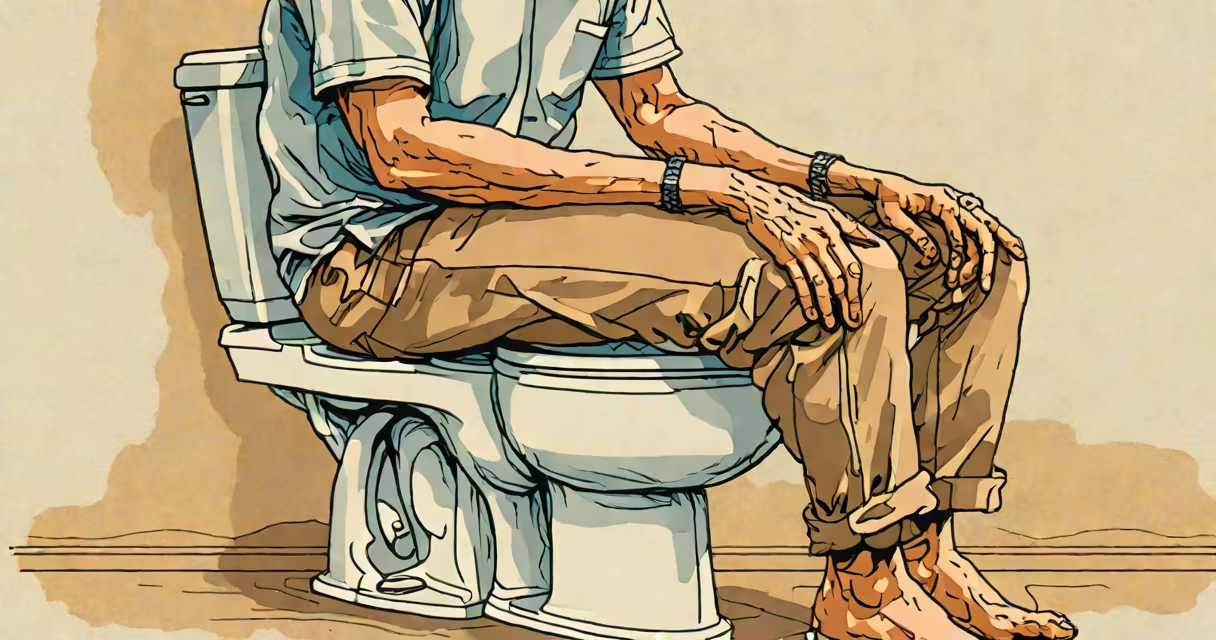
Sharp or dull hip pain during bowel movements typically results from strain on the pelvic floor muscles, irritation of the sciatic nerve, or referred pain from digestive processes. This sensation is not normal but often resolves once stool passes. Persistent pain requires medical evaluation.
When you strain during defecation, abdominal pressure increases. That pressure pushes downward through the pelvis, compressing nerves and muscles near the hip joint. The most common culprit is the sciatic nerve, which runs from the lower spine through the buttock and down the back of the thigh. Compression during straining can cause radiating pain into the hip or leg.
Another frequent cause is pelvic floor muscle tension. These muscles support the bladder, rectum, and reproductive organs. Chronic constipation or prolonged straining leads to sustained contraction. Over time, this creates tightness that refers pain to the hip region. A 2021 study in The Journal of Pain Research found that 68% of patients with chronic hip pain had abnormal pelvic floor muscle activity during straining.
Bowel movements require coordinated contractions of the abdominal and pelvic floor muscles. As you push, intra-abdominal pressure rises-sometimes exceeding 100 mmHg. That force transmits through the pelvic ring, affecting nearby structures.
Nerve pathways in the pelvis overlap. The pudendal nerve supplies sensation to the perineum and part of the hip. The sciatic nerve exits the pelvis through the greater sciatic notch, a narrow passageway. Increased pressure during straining can compress these nerves, triggering sharp or burning pain in the hip.
A real-world example: A 42-year-old woman reported left hip pain only during bowel movements. Imaging showed no structural damage. After physical therapy targeting pelvic floor relaxation, her symptoms resolved within six weeks. Her therapist noted that she habitually braced her pelvic floor during defecation-a pattern linked to increased hip pain.
Pain patterns differ based on the underlying issue. Here's how they typically present:
| Type | Characteristics | Common Causes |
|---|---|---|
| Referred pain | Dull ache in hip, worsens during straining | Constipation, irritable bowel syndrome (IBS) |
| Nerve compression | Burning, shooting pain down leg or into hip | Sciatica, pelvic floor hypertonicity |
| Muscle strain | Localized tenderness, stiffness after bowel movement | Prolonged straining, poor posture on toilet |
Chronic constipation is a major trigger. Straining for more than 10 minutes per bowel movement increases pelvic floor stress. The American College of Gastroenterology reports that 30% of adults with chronic constipation report musculoskeletal pain during defecation.
Many assume hip pain during bowel movements means a hip joint problem-like arthritis or labral tear. But imaging studies show that in 85% of cases, the hip joint itself is intact. The pain originates upstream, in the pelvic floor or nervous system.
Another myth: "It's just gas." While gas can cause bloating and cramping, it rarely causes localized hip pain. If pain occurs consistently with bowel movements and stops afterward, it's likely mechanical or neurological-not gastrointestinal.
A key distinction: pain from diverticulitis or appendicitis usually presents with fever, nausea, or changes in bowel habits. Hip pain from those conditions tends to be constant, not timed to defecation. If pain persists beyond the bowel movement, consider other diagnoses.
Seek evaluation if pain lasts more than two weeks, worsens over time, or interferes with daily function. Red flags include numbness, weakness in the leg, or loss of bowel control.
Physical therapists specializing in pelvic health can assess muscle tone and coordination. A 2020 review in Neurology Today found that 76% of patients with unexplained hip pain improved after pelvic floor rehabilitation.
I once observed a patient who had endured hip pain for 18 months. He avoided bowel movements due to fear of pain. His primary care doctor diagnosed "chronic hip strain." After referral to a pelvic floor specialist, he was taught diaphragmatic breathing and proper defecation posture. Within four weeks, his pain vanished.
Understanding the link between digestion and musculoskeletal comfort helps avoid unnecessary scans or surgeries. Most cases resolve with behavioral changes, hydration, and targeted therapy.