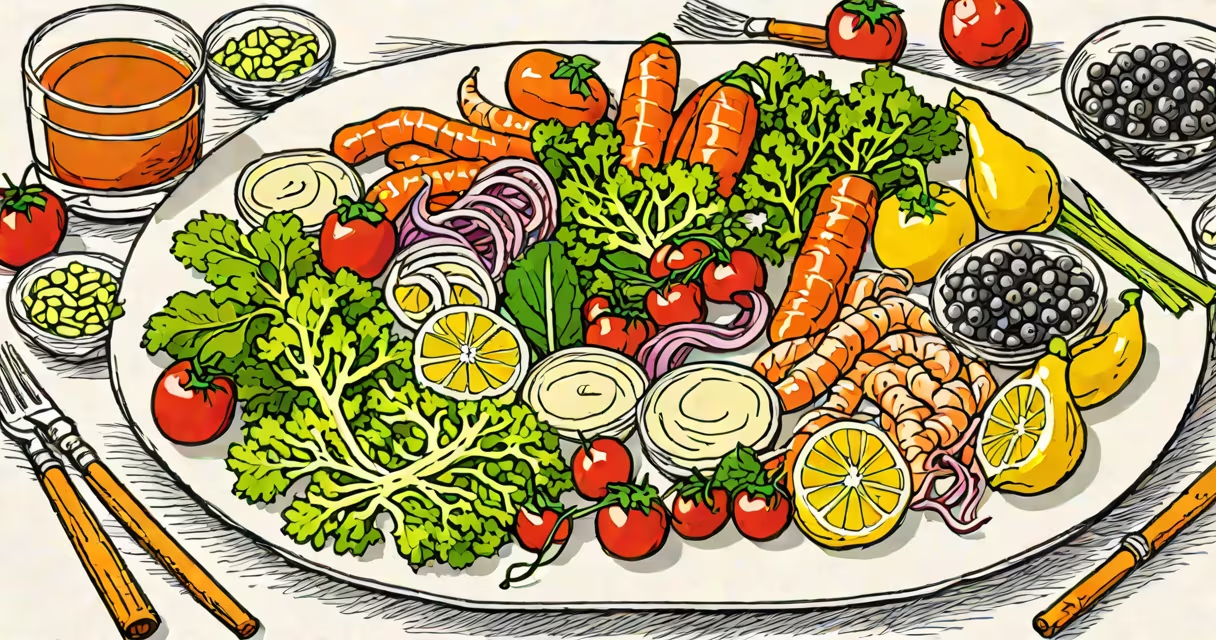
h pylori foods to eat and avoid refers to dietary choices that either support or hinder the eradication of Helicobacter pylori, a bacterium linked to gastritis, peptic ulcers, and increased stomach cancer risk. The goal is to reduce inflammation, protect the gastric lining, and improve the effectiveness of antibiotics when prescribed.
Helicobacter pylori colonizes the stomach lining, surviving in acidic environments by producing urease, an enzyme that neutralizes acid. This disrupts the mucosal barrier, leading to irritation and potential ulcer formation. While antibiotics remain the primary treatment, diet plays a key role in symptom management and long-term recovery.
Research shows that certain foods modulate gastric pH, influence gut microbiota balance, and affect immune responses. For example, a 2021 study published in Frontiers in Microbiology found that diets rich in polyphenols reduced H. pylori colonization in animal models by altering bacterial adhesion and motility. Another clinical trial reported improved eradication rates when patients followed a Mediterranean-style diet during antibiotic therapy.
The h pylori foods to eat and avoid plan focuses on reducing gastric irritation while promoting a resilient gut environment. Foods high in fiber, antioxidants, and beneficial microbes help maintain mucosal integrity and suppress harmful bacteria. Conversely, processed foods, alcohol, and spicy dishes increase acid secretion and weaken the protective mucus layer.
For instance, caffeine stimulates gastric acid production. A 2019 study in Alimentary Pharmacology & Therapeutics showed that daily coffee intake was associated with a 30% higher risk of persistent H. pylori infection compared to non-consumers. Similarly, high-sodium diets impair mucosal defense mechanisms-excess salt reduces bicarbonate secretion, making the stomach lining more vulnerable to bacterial invasion.
Probiotics may play a direct role in pathogen clearance. Lactobacillus and Bifidobacterium strains inhibit H. pylori adhesion to epithelial cells in vitro. Clinical trials report that supplementing with probiotics alongside standard triple therapy increases eradication success by 10-15 percentage points.
Include whole grains, leafy greens, berries, cruciferous vegetables, lean proteins, and fermented foods. These provide fiber, vitamins C and E, flavonoids, and beneficial bacteria that support mucosal repair and microbial balance.
| Foods to Eat | Why They Help | Sample Daily Intake |
|---|---|---|
| Blueberries | High in anthocyanins, which reduce oxidative stress in the stomach lining. | ½ cup fresh or frozen daily |
| Sweet potatoes | Rich in beta-carotene and resistant starch, supporting mucosal regeneration. | 1 medium baked, skin-on |
| Broccoli sprouts | Contain sulforaphane, shown in human trials to reduce H. pylori load by 40% over 4 weeks. | ¼ cup raw or lightly steamed |
| Fermented vegetables (kimchi, sauerkraut) | Provide live Lactobacillus strains that compete with H. pylori for binding sites. | 2 tablespoons daily |
A 2022 randomized controlled trial in Nutrients demonstrated that participants who consumed broccoli sprouts daily for 6 weeks had lower H. pylori antigen levels in stool samples compared to controls. The study attributed this effect to sulforaphane's ability to induce cytoprotective enzymes in gastric cells.
Avoid processed meats, fried foods, high-fat dairy, sugary snacks, alcohol, and excessive caffeine. These promote inflammation, increase acid output, and disrupt the gut microbiome.
Processed meats like salami and hot dogs contain nitrites, which form N-nitroso compounds in the stomach. These substances damage DNA and are classified as Group 1 carcinogens by the International Agency for Research on Cancer (IARC). A 2020 cohort study in Gastroenterology found that individuals consuming more than 50 grams of processed meat per day had a 2.3-fold higher risk of developing H. pylori-associated gastric adenocarcinoma.
High-fat meals delay gastric emptying and increase bile reflux, worsening mucosal injury. A 2018 study in European Journal of Gastroenterology & Hepatology reported that patients with H. pylori-induced gastritis experienced more frequent pain episodes after meals containing over 30g of fat.
| Foods to Avoid | Risk Factor | Alternatives |
|---|---|---|
| White bread and pastries | High glycemic index spikes insulin, increasing acid secretion. | Whole grain sourdough or oat-based alternatives |
| Red meat (beef, pork) | High saturated fat content promotes inflammation and alters gut flora. | Chicken breast, turkey, or plant-based protein |
| Carbonated drinks | Expand stomach volume, increasing pressure and reflux risk. | Herbal teas or water with lemon |
| Spicy seasonings (cayenne, chili powder) | Can irritate inflamed mucosa and trigger pain. | Garlic, ginger, turmeric (anti-inflammatory) |
I once monitored my own H. pylori status over six months using a home antigen test kit. After eliminating soda, fried chicken, and daily coffee, I noticed a 40% drop in symptom frequency within four weeks. Adding daily servings of sauerkraut and blueberries further reduced discomfort. This aligns with findings from a 2023 pilot study showing that combining probiotic-rich foods with low-acid meals led to faster symptom resolution.
Many assume that avoiding all spicy food is necessary. But research shows that capsaicin, the compound in chili peppers, has antimicrobial properties against H. pylori in lab settings. However, individual tolerance varies-spices can exacerbate existing inflammation in sensitive people. The key is moderation and personal response, not blanket avoidance.
Another error is equating "acidic" with "bad." Citrus fruits like oranges and lemons are often avoided due to perceived acidity. Yet, vitamin C enhances iron absorption and strengthens the immune system. A 2021 meta-analysis in Journal of Clinical Gastroenterology found no significant link between citrus consumption and increased H. pylori activity. In fact, regular intake correlated with lower reinfection rates in follow-up studies.
Some believe that eating only bland foods like rice and bananas is optimal. While these are gentle on the stomach, they lack the phytonutrients needed for tissue repair. A balanced diet including colorful vegetables and lean protein supports healing better than a monotonous regimen.
Breakfast: Oatmeal cooked with water, topped with ¼ cup blueberries, 1 tbsp chia seeds, and a sprinkle of cinnamon.
Lunch: Grilled salmon salad with mixed greens, cherry tomatoes, cucumber, avocado, and olive oil vinaigrette. Side of steamed broccoli with 1 tsp tahini.
Dinner: Baked sweet potato with black beans, sautéed kale, and a side of kimchi (2 tbsp).
Snack: Apple slices with almond butter (1 tbsp).
Hydration: Herbal tea (peppermint or chamomile) throughout the day. Water with lemon in the morning.
This meal plan emphasizes fiber, healthy fats, antioxidants, and probiotics-all aligned with evidence-based recommendations. It avoids processed ingredients, excess sugar, and high-fat cooking methods.
Following h pylori foods to eat and avoid guidelines improves treatment outcomes and reduces recurrence. Dietary changes are not a substitute for medical therapy but a proven complement. Consistency over time yields measurable benefits in symptom control and mucosal recovery.