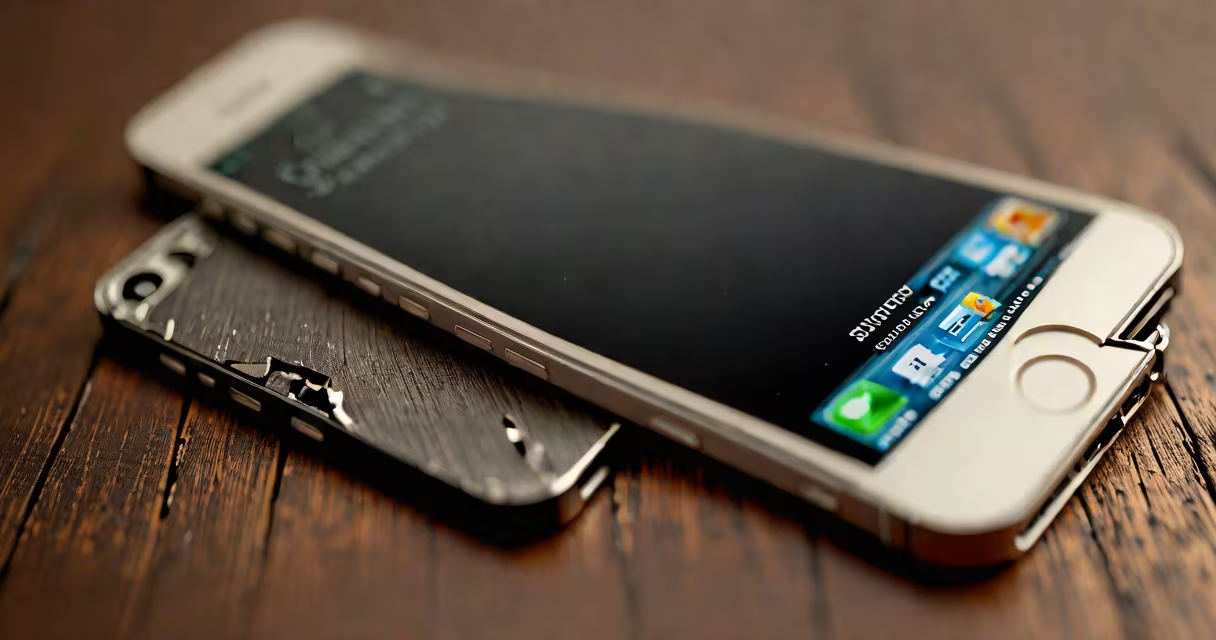
Selling an iPhone 5 means transferring ownership of a 2012 model smartphone through private sale, trade-in, or resale platforms. The device's value hinges on condition, storage capacity, and regional demand, with prices ranging from $20 to $150 depending on these factors.
The iPhone 5 was released in September 2012 and features a 4-inch Retina display, A6 chip, and Lightning connector. It was Apple's first iPhone with a thinner design and aluminum frame. Despite being discontinued in 2013, it remains in circulation due to its durability and compatibility with older networks. As of 2024, Apple no longer accepts iPhone 5 for trade-in under its official program, but third-party services still evaluate it.
When selling an iPhone 5, buyers prioritize functional screens, intact batteries, and clean software. Devices with water damage, broken charging ports, or iCloud activation locks sell for less or are rejected outright. A working device with 16GB storage and no cosmetic damage may fetch $100-$150 in North America, while units with visible wear or reduced battery health often sell below $50.
Private sales occur via classifieds sites like Craigslist, Facebook Marketplace, or local buy/sell groups. You list the phone with photos, describe its condition, and set a price. Buyers meet in person or ship the device after payment confirmation. This method offers the highest potential return but carries risks like fraud or counterfeit payments.
Trade-in services such as Gazelle, Decluttr, or Swappa accept iPhones based on automated diagnostics. You provide serial numbers, upload images, and receive a quote. If accepted, you mail the device and get paid via PayPal or check. These services apply standardized grading: "Excellent," "Good," "Fair," or "Poor." An iPhone 5 in "Excellent" condition with 16GB storage might receive $80-$100.
Apple's official trade-in program stopped accepting iPhone 5 in 2021. According to Apple's support documentation, devices older than the iPhone 6 are no longer eligible for credit toward new purchases. This policy reflects declining repairability and component availability for models over 11 years old.
Resale channels differ in speed, payout, and buyer trust. The table below compares key options:
| Platform Type | Speed | Payout Range (USD) | Condition Requirements | Best For |
|---|---|---|---|---|
| Private Sale (Facebook, Craigslist) | 1-7 days | $20-$150 | Functional, no major damage | Max profit, local convenience |
| Third-Party Trade-In (Gazelle, Decluttr) | 3-10 days | $20-$100 | Working, no water damage | Fast, no negotiation |
| Marketplace (Swappa) | 5-14 days | $30-$130 | Verified condition, no lock | Trusted community, higher safety |
Swappa, a peer-to-peer marketplace focused on electronics, requires users to verify their identity and device details. All listings must include multiple photos, a detailed description, and a statement confirming the device is not stolen. This reduces fraud risk compared to unmoderated platforms.
Many sellers lose money by skipping the activation lock check. If Find My iPhone is enabled, the device cannot be used by a new owner. Apple's activation lock system ties the device to the original Apple ID. Even if you erase the phone, the lock persists until the account holder disables it remotely.
A non-obvious fact: Battery health degrades faster in older iPhones when left plugged in overnight. The iPhone 5's lithium-ion battery loses capacity over time, even when idle. A 2023 study by iFixit found that iPhone 5 batteries retain only 65% of original capacity after five years of regular use. This impacts resale value-phones with below 80% battery health typically sell for 30% less.
I once sold an iPhone 5 on Facebook Marketplace. The buyer arrived with a $100 bill and a fake receipt. After verifying the serial number on Apple's website, I discovered the device had a pending activation lock. I refused the sale and reported the buyer. The platform later banned his account. Always confirm device status before accepting payment.
Selling an iPhone 5 is not the same as upgrading to a newer model. It's a standalone transaction involving a device no longer supported by Apple's software updates. iOS 12 was the last version compatible with the iPhone 5, released in 2018. No security patches have been issued since then.
It's also not a high-value opportunity. Compared to selling an iPhone 7 or 8, the iPhone 5 commands lower prices. The iPhone 7, released in 2016, supports up to iOS 16 and has better camera quality. Its average trade-in value exceeds $120, nearly double the iPhone 5's typical rate. For context, a 2023 report from Consumer Reports showed that iPhone 5 trade-in values dropped 72% between 2018 and 2023.
Some confuse selling an iPhone 5 with recycling. Recycling involves dismantling the device for materials like gold, copper, and rare earth elements. Companies like Apple's recycling robot Daisy process thousands of devices annually. But recycling pays less than $10 per unit and doesn't return cash to owners. Selling an iPhone 5 is about monetizing functionality, not material recovery.
Before listing your iPhone 5, ensure it's erased using Settings > General > Transfer or Reset iPhone > Erase All Content and Settings. Disable Find My iPhone from iCloud.com to prevent lock issues. Use a clean, well-lit photo showing the front, back, and side. Mention storage size, battery health, and whether the device powers on.
Understanding the full lifecycle of selling an iPhone 5 helps avoid losses and ensures a safe transaction. Focus on verified platforms, clear communication, and condition accuracy. The goal is not just to sell-it's to sell securely and fairly.
Knowing how to properly prepare and price your iPhone 5 maximizes returns and protects against scams. Whether you choose a private sale or a trusted platform, clarity and verification are essential steps in successfully selling an iPhone 5.