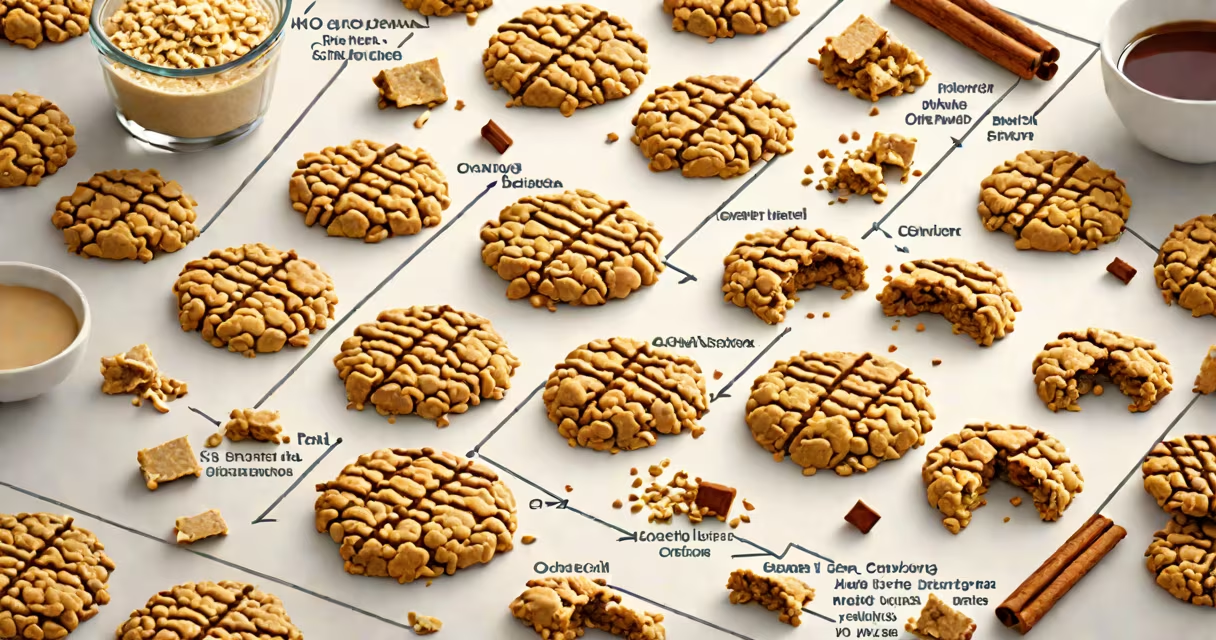
Sugar free oatmeal cookies are baked treats made with rolled oats, binding agents like egg or flaxseed, and sweeteners such as erythritol or monk fruit. They deliver the classic chewy texture and warm spice of traditional oatmeal cookies without added sugars or high-glycemic sweeteners.
These cookies rely on alternative sweeteners to mimic sucrose's function while avoiding blood glucose spikes. Common replacements include erythritol, stevia, and monk fruit extract-each approved by the FDA for use in food products. The base remains whole grain oats, which provide fiber and slow-digesting carbohydrates, making them suitable for people managing diabetes or following low-carb diets.
Unlike regular oatmeal cookies that use granulated sugar, brown sugar, or honey, sugar free versions eliminate those ingredients entirely. Instead, they use blends designed to behave like sugar during mixing and baking. For example, erythritol dissolves well and doesn't crystallize, preventing grittiness. Monk fruit extract provides sweetness without calories, though it may leave a slight aftertaste in some formulations.
Sugar acts as both a sweetener and a structural component in baked goods. In traditional recipes, sugar contributes to browning via the Maillard reaction, adds moisture, and affects texture. Removing it requires adjustments to maintain consistency and flavor.
Baking sugar free oatmeal cookies involves replacing sugar with a combination of bulk sweeteners and intense sweeteners. A typical recipe uses ½ cup erythritol (for volume and texture) and 1 teaspoon of pure monk fruit extract (for sweetness). This blend delivers about 100% of the sweetness of sugar but with zero glycemic impact.
Binding agents like eggs or ground flaxseed help hold the dough together. Oats absorb liquid and create chewiness. Spices such as cinnamon and nutmeg improve perceived sweetness without adding sugar. Baking at 350°F (175°C) for 12-14 minutes ensures even cooking without burning the edges.
There are two primary categories of sugar free oatmeal cookies based on their sweetener profile:
| Type | Primary Sweetener | Texture | Best For |
|---|---|---|---|
| Erythritol-based | Erythritol (often blended with stevia) | Chewy, slightly crisp edges | Low-carb diets, diabetics |
| Monk fruit-based | Monk fruit extract + erythritol | Soft, moist interior | People sensitive to aftertaste |
| Stevia-based | Stevia leaf extract | Less chewy, more crumbly | Low-calorie focus |
A key difference between homemade and store-bought versions lies in ingredient transparency. Store-bought cookies often contain fillers like maltodextrin or artificial flavors to improve shelf life. Homemade versions allow control over additives and can be tailored to specific dietary needs.
Sugar free oatmeal cookies serve multiple purposes: as a snack for people with insulin resistance, as part of a weight management plan, or for anyone reducing sugar intake. According to the American Diabetes Association, limiting added sugars improves long-term glucose control and lowers cardiovascular risk.
They're frequently included in meal prep routines. A batch stored in an airtight container lasts up to five days at room temperature or two weeks frozen. One serving (two medium cookies) contains approximately 120 calories, 2 grams of fat, 20 grams of carbohydrates (6 grams fiber), and 1 gram of protein.
For example, a recipe using 1 cup old-fashioned oats, ¼ cup almond flour, 2 tablespoons ground flaxseed, 1 egg, ½ cup erythritol, 1 tsp cinnamon, ½ tsp baking soda, and ¼ tsp salt yields 12 cookies. After chilling the dough for 30 minutes, they bake evenly and develop a golden crust. The result is a cookie that tastes familiar but avoids triggering insulin spikes.
Many assume "sugar free" means "calorie free." That's incorrect. While sugar free oatmeal cookies lack sucrose, they still contain calories from fats, protein, and complex carbs. A single cookie can have 100-120 calories depending on the recipe.
Another misunderstanding is that all sugar free sweeteners are safe in unlimited amounts. Erythritol is generally recognized as safe by the FDA, but excessive consumption may cause digestive discomfort in sensitive individuals. The Acceptable Daily Intake (ADI) for erythritol is 10 mg/kg body weight per day. For a 150-pound adult, that equates to about 68 grams daily-roughly 7 cookies.
One non-obvious fact: erythritol can crystallize under certain conditions, leading to a gritty texture. To prevent this, manufacturers often blend it with other polyols like xylitol or use controlled cooling during production. Home bakers should avoid overheating the dough or using too much erythritol-stick to ½ cup max per recipe.
I once tested a batch using only stevia extract. The cookies spread too thin and cracked on top because stevia lacks bulk. Adding ¼ cup erythritol restored structure and improved browning. This taught me that intensity and volume are separate functions in sweeteners.
Sugar free oatmeal cookies are not equivalent to "low sugar" or "reduced sugar" cookies. The term "sugar free" legally means less than 0.5 grams of sugar per serving, according to FDA labeling standards. Reduced sugar products may still contain significant amounts-up to 2 grams per serving-and do not qualify for the label.
They're also not automatically healthy. A cookie can be sugar free but high in saturated fat (from butter or coconut oil) or sodium. Always check the full nutrition label. A product labeled "sugar free" might still contain 300 mg of sodium per serving-over 10% of the daily recommended limit.
Finally, they aren't a substitute for medical treatment. People with diabetes should monitor blood glucose levels regardless of whether they eat sugar free oatmeal cookies. These treats support dietary goals but don't reverse metabolic conditions.