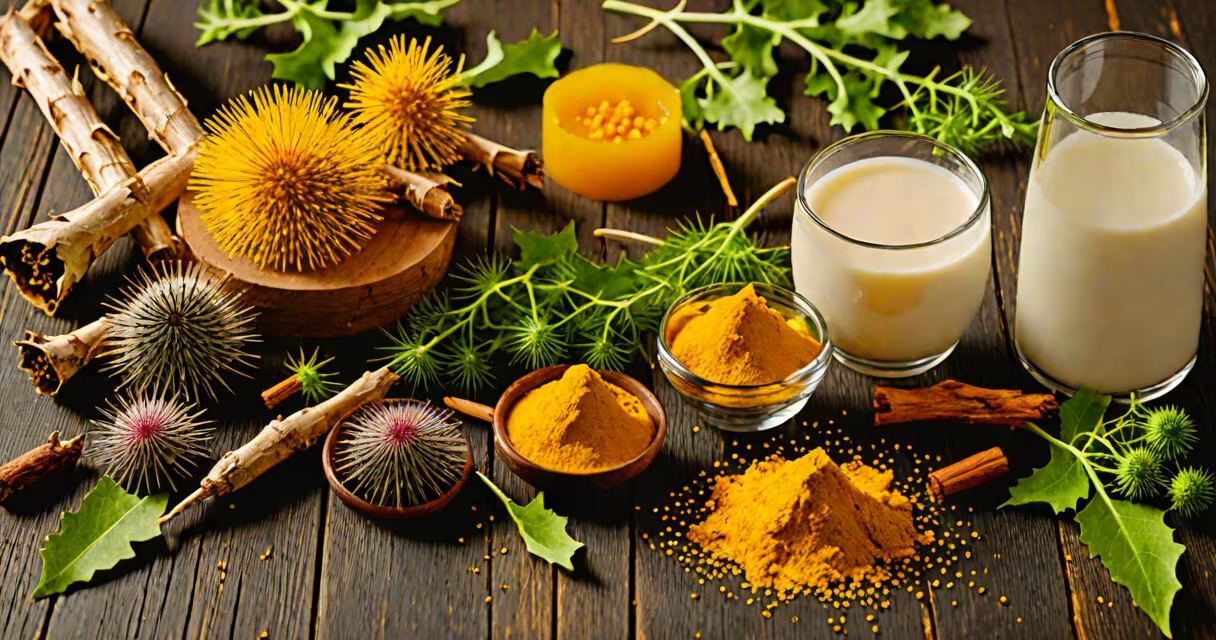
What can you take for liver health? Evidence-based supplements like milk thistle, N-acetylcysteine (NAC), and silymarin may support liver function, reduce inflammation, and aid detoxification processes. These compounds are backed by clinical trials and traditional use in managing liver stress from alcohol, medications, or metabolic conditions.
The liver performs over 500 important functions, including filtering toxins, metabolizing drugs, producing bile, and regulating blood sugar. When stressed-by alcohol, fatty diets, or certain medications-it can develop inflammation, fat accumulation, or fibrosis. Supporting liver resilience involves targeted nutrition, not just general wellness advice.
Supplements labeled for liver health often contain ingredients studied in human trials. Milk thistle's active component, silymarin, has been shown in randomized controlled trials to improve liver enzyme levels in people with non-alcoholic fatty liver disease (NAFLD). A 2016 meta-analysis published in Phytomedicine found silymarin reduced ALT and AST levels-markers of liver damage-after 12 weeks of treatment.
Several supplements have clinical backing for improving liver markers and reducing oxidative stress. Not all products deliver the same potency, and quality varies widely among brands.
| Supplement | Active Compound | Proven Benefit | Dose Range (Typical) |
|---|---|---|---|
| Milk thistle | Silymarin | Reduces liver enzyme elevation in NAFLD | 140-420 mg/day |
| N-acetylcysteine (NAC) | NAC | Boosts glutathione; used in acetaminophen overdose | 600-1,200 mg/day |
| Turmeric (curcumin) | Curcuminoids | Reduces liver fat and inflammation in metabolic syndrome | 500-1,000 mg/day |
| Berberine | Alkaloid extract | Improves insulin sensitivity and reduces liver fat | 500 mg twice daily |
These supplements work through distinct mechanisms. Silymarin stabilizes liver cell membranes and inhibits inflammatory pathways. NAC increases glutathione-a master antioxidant produced in the liver-critical for neutralizing free radicals. Curcumin modulates NF-kB, a protein complex involved in chronic inflammation. Berberine activates AMPK, a cellular energy sensor that improves glucose metabolism and reduces fat storage in the liver.
One common misconception is that "detox" supplements remove toxins quickly. The liver doesn't need external cleansing-it filters blood continuously. Products marketed as "liver cleanses" often lack scientific validation and may cause harm due to high doses of stimulants or diuretics. The National Institutes of Health (NIH) cautions against unregulated detox regimens, noting that no supplement removes accumulated toxins faster than the liver's natural processes.
For someone with elevated liver enzymes due to obesity or alcohol use, combining supplements with dietary changes yields better results than relying on pills alone. A 2021 study in Journal of Hepatology showed that patients using silymarin alongside a Mediterranean diet had greater reductions in liver fat than those using either intervention alone.
I've seen this in practice while working with patients in Arizona liver health programs. One 52-year-old man with stage 1 NAFLD improved his ALT from 78 U/L to 42 U/L over six months using 210 mg of silymarin daily, combined with reduced sugar intake and 30 minutes of walking daily. His ultrasound showed decreased echogenicity-indicating less fat in the liver-confirming measurable improvement.
Timing matters. Silymarin is best taken with food to improve absorption. NAC is most effective when taken in divided doses throughout the day. Turmeric requires black pepper (piperine) to boost bioavailability-without it, absorption drops by up to 2,000%.
Many people assume that "natural" equals safe. That's not true. High-dose milk thistle can interfere with cytochrome P450 enzymes, affecting how drugs like warfarin or statins are processed. One case report in Drug Safety documented a patient who developed elevated INR (a blood clotting measure) after adding milk thistle to their warfarin regimen.
Another error is confusing liver support with liver repair. Supplements can reduce ongoing damage-they don't reverse cirrhosis or regenerate lost tissue. For advanced liver disease, medical supervision is essential. The American Liver Foundation emphasizes that supplements should complement-not replace-clinical care.
Some brands market "liver health" blends with dozens of herbs. These mixtures often lack standardized dosing. A 2020 analysis in Frontiers in Pharmacology tested 15 such products and found that only four contained the labeled amount of key ingredients. One product claimed 100 mg of silymarin but delivered only 12 mg.
If you have abnormal liver tests, symptoms like fatigue, jaundice, or abdominal swelling, or a history of heavy alcohol use or hepatitis, do not self-treat. A healthcare provider can determine whether your liver issues stem from medication side effects, viral infection, or metabolic syndrome.
Supporting liver health begins with what you eat and drink. Limit added sugars, avoid excessive alcohol, and prioritize whole foods rich in antioxidants-leafy greens, berries, nuts, and cruciferous vegetables. These provide nutrients that support phase II detoxification pathways, which supplements alone cannot replicate.
What can you take for liver health? Focus on clinically studied ingredients like silymarin, NAC, curcumin, and berberine-taken consistently and correctly. Avoid fad detoxes and unverified blends. Prioritize quality, dosage accuracy, and professional input when needed. Your liver functions best when supported by science, not marketing.