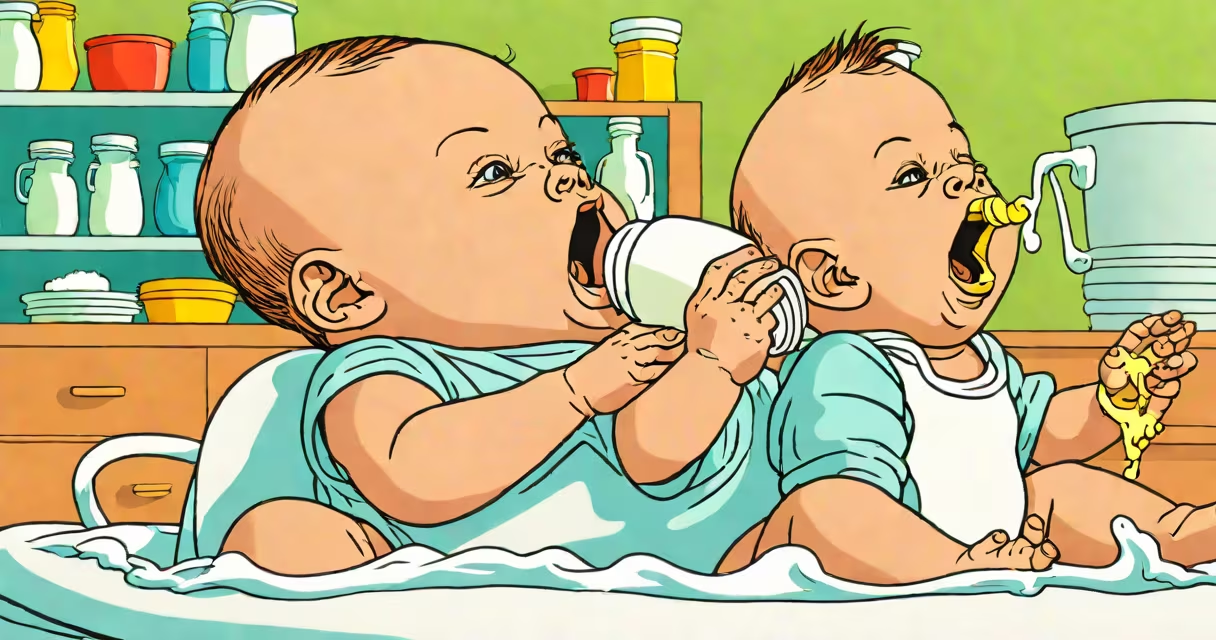
Infants throw up primarily due to underdeveloped digestive systems, overfeeding, gastroesophageal reflux, or viral infections. Spitting up is normal in babies under 12 months, but forceful vomiting or persistent throwing up requires evaluation.
Infant vomiting occurs when the stomach contents move upward through the esophagus and exit the mouth. This reflex is triggered by various factors, including physical overstimulation during feeding, swallowed air, or underlying gastrointestinal immaturity. The lower esophageal sphincter-the valve between the stomach and esophagus-is weak in newborns, allowing stomach contents to flow back easily. This condition, known as gastroesophageal reflux, affects about 50% of healthy infants under 3 months, according to the American Academy of Pediatrics.
Reflux typically resolves by 12 months as the digestive system matures. However, when vomiting becomes frequent, projectile, or is accompanied by poor weight gain, irritability, or signs of dehydration, it may indicate a more serious issue such as pyloric stenosis, food allergies, or infection.
Vomiting in infants begins with contractions of the abdominal muscles and diaphragm, which increase pressure in the stomach. The lower esophageal sphincter relaxes, allowing gastric contents to reverse flow. Unlike adults, infants lack the coordination to control this process effectively, especially during or shortly after feeding.
When a baby feeds too quickly or swallows excessive air, the stomach fills rapidly. This distension triggers the vomiting reflex. Burping frequently during and after feeding reduces air intake and lowers the risk of regurgitation. Feeding in an upright position also helps reduce reflux episodes.
A study published in Pediatrics found that 68% of infants aged 0-6 months experienced at least one episode of spitting up daily. Most cases resolved without treatment by 18 months. The key difference between normal spitting up and pathological vomiting lies in frequency, volume, and associated symptoms.
Infant vomiting falls into several categories based on cause and presentation. Understanding the pattern helps distinguish harmless reflux from conditions requiring medical attention.
| Type | Characteristics | Common Causes | Typical Age Range |
|---|---|---|---|
| Spitting up | Small amounts, often during or after feeding; milk-like | Normal reflux, overfeeding, swallowing air | Birth - 12 months |
| Projectile vomiting | Forceful expulsion; can travel several feet; often bile-streaked | Pyloric stenosis, severe gastroenteritis | 2 weeks - 6 months |
| Chronic bilious vomiting | Bile-colored vomit; persistent; may lead to dehydration | Intestinal obstruction, malrotation | Neonatal period - 3 months |
| Post-feeding vomiting with poor weight gain | Consistent vomiting after meals; failure to thrive | Cow's milk protein allergy, metabolic disorders | Birth - 6 months |
Spitting up is the most common form and usually harmless. Projectile vomiting-where milk shoots out with force-signals a potential blockage in the digestive tract. Pyloric stenosis, a narrowing of the pylorus (the outlet from the stomach), causes this symptom in about 1 in 500 male infants. Diagnosis typically occurs around 3-6 weeks of age and requires surgical correction.
Bilious vomiting-vomit containing greenish-yellow bile-indicates intestinal obstruction. A child with this symptom may appear lethargic and dehydrated. Immediate medical evaluation is required. Malrotation with volvulus, a twisting of the intestines, is a rare but life-threatening cause of bilious vomiting in newborns.
While reflux is normal, certain red flags suggest a condition beyond typical infant digestion. These include vomiting that occurs more than once per day, vomits that contain blood or bile, or vomiting that prevents the baby from gaining weight.
One non-obvious distinction: normal spit-up is usually small, occurs within minutes of feeding, and doesn't affect the baby's mood or growth. Pathological vomiting often happens hours after feeding, is larger in volume, and may be accompanied by crying, arching of the back, or refusal to eat.
I once observed a 4-week-old infant brought to urgent care with projectile vomiting after every feed. The baby had lost 10% of birth weight in two days. An ultrasound revealed hypertrophic pyloric stenosis. After surgery, the baby began feeding normally within 24 hours. This case illustrates how early intervention can prevent complications.
Many parents assume that frequent vomiting means illness or poor parenting. In reality, mild regurgitation is part of normal development. The American Academy of Pediatrics states that up to 70% of infants experience reflux before 4 months. Most resolve without medication.
A common misconception is that formula-fed babies are more prone to vomiting. While formula can cause more gas and bloating, breastfed infants also spit up regularly. Breast milk digests faster, which may actually reduce reflux in some cases. The key factor is feeding technique, not milk source.
Another error is treating all vomiting with anti-nausea medications. These drugs are not approved for infants under 1 year and can cause serious side effects. Instead, adjusting feeding positions, reducing volume per feed, and increasing burping frequency are effective, safe strategies.
Consult a pediatrician if vomiting persists beyond 24 hours, contains blood or bile, or is accompanied by fever above 100.4°F (38°C), lethargy, or signs of dehydration such as fewer wet diapers, dry mouth, or sunken fontanelle.
Specific warning signs include:
For persistent cases, doctors may order imaging such as an ultrasound to check for pyloric stenosis or a barium swallow to assess esophageal function. Allergy testing may be recommended if vomiting occurs consistently after feeding and is linked to eczema or bloody stools.
Understanding what causes infants to throw up helps parents respond appropriately. Most cases stem from normal developmental processes. But recognizing when vomiting signals a medical issue ensures timely care and better outcomes.