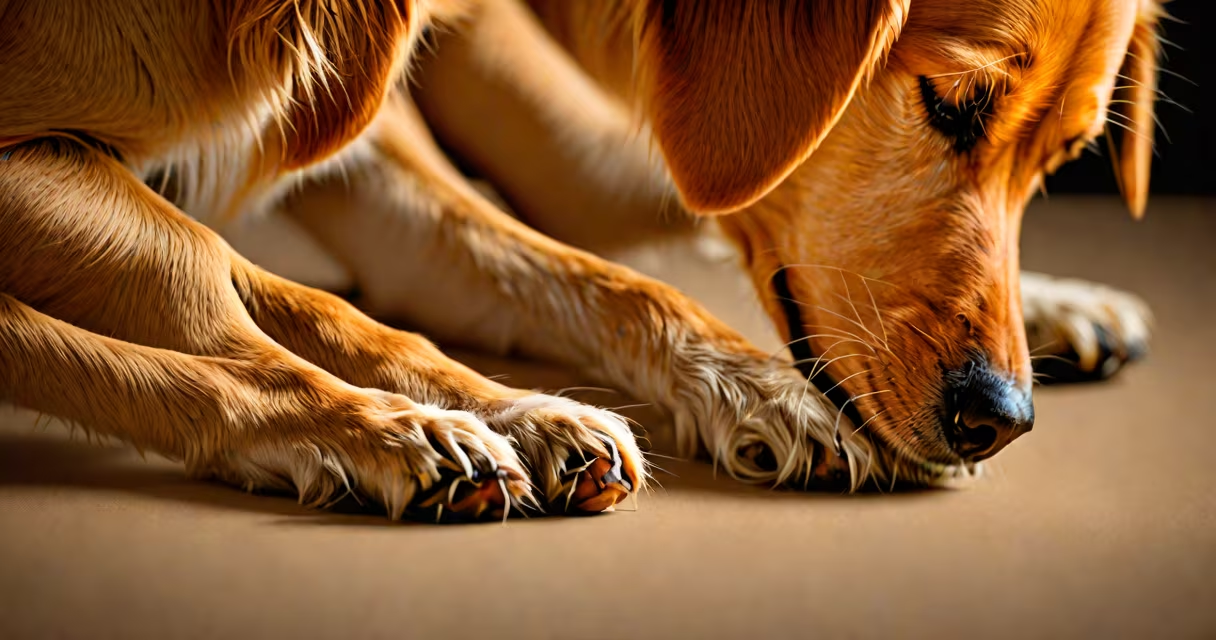
Dogs smell your feet because their highly sensitive noses detect unique combinations of sweat, bacteria, and skin oils that reveal health status, emotional state, and identity. This behavior stems from their evolutionary reliance on scent-based communication.
Dogs possess up to 300 million olfactory receptors-about 40 times more than humans-and a brain region dedicated to processing smells that's proportionally larger. When a dog sniffs your feet, it's not just curiosity-it's decoding a complex chemical message. The soles of human feet host over 100 bacterial species, many producing volatile organic compounds (VOCs) that dogs can identify. These VOCs change with diet, stress, illness, and even time of day.
Foot odor arises from sweat glands concentrated in the soles. Humans have about 250,000 sweat glands per foot, releasing moisture that feeds resident microbes. As these microbes metabolize sweat, they produce distinctive scents-some sour, others musky or sweet. A dog can distinguish between a foot that's sweaty from exercise versus one that's dry from a long walk, or even detect subtle shifts linked to blood sugar changes in diabetics.
When a dog sniffs your feet, it uses a specialized organ called the vomeronasal organ (Jacobson's organ) located in the roof of its mouth. After sniffing, the dog may perform a "flehmen response"-curling its upper lip and drawing air through this organ to analyze pheromones and other chemical signals.
Research from the University of Florida shows that dogs can detect specific VOCs associated with conditions like cancer and epilepsy through breath and skin samples. While foot scent isn't typically used for medical diagnosis, the same sensory mechanisms apply. A dog may notice a faint change in foot odor during early infection or hormonal fluctuations, triggering interest.
For example, during a 2021 study published in Scientific Reports, trained dogs identified lung cancer patients with 86% accuracy by smelling their breath and sweat. Though feet weren't tested, the underlying principle holds: dogs read biochemical cues invisible to humans.
Dogs respond differently based on the type of scent they detect. Here's how common foot-related odors influence their behavior:
| Scent Type | Source | Dog Response |
|---|---|---|
| Wet socks or damp shoes | Sweat + microbial breakdown | Intense sniffing, tail wagging |
| Post-workout foot odor | Lactic acid + bacteria (e.g., Brevibacterium) | Sniffing, licking, sometimes play behavior |
| Unusual or sharp odor | Potential infection, fungal growth | Alert posture, prolonged sniffing, avoidance |
| Clean, dry feet | Minimal microbial activity | Short sniff, move on |
Dogs don't always react to the strongest smell. Instead, they prioritize novelty and change. A foot that's normally dry but suddenly moist after a run triggers stronger interest than a consistently smelly pair of sneakers.
Many assume dogs smell feet out of disgust or because they're "dirty." That's incorrect. Dogs don't judge hygiene-they assess information. What humans perceive as unpleasant, dogs interpret as rich data. In fact, the most intense sniffing often occurs on clean, dry feet, especially after a shower, because the scent profile is new and unmasked.
Another myth is that dogs only sniff feet to find food. While food residue can attract them, the primary driver is social and biological. A dog may sniff your feet after you've walked on grass, soil, or sand-places where scent markers are deposited. The foot becomes a receptor for environmental cues.
A key distinction: dogs don't smell feet to "check if you're healthy" in a clinical sense. They don't diagnose illness. But they do gather information about your recent activities, mood (via cortisol in sweat), and physical condition. This is part of their natural way of bonding and assessing pack members.
I observed this firsthand while walking my border collie, Scout, through a park. He stopped abruptly at a bench where a jogger had sat. Scout sniffed the seat, then moved to the runner's discarded water bottle, then paused again-this time at the bench's edge where the jogger had rested his bare foot. He stood still for 12 seconds, nose twitching, ears forward.
Afterward, he turned to me and sat, staring. His behavior wasn't random. He'd detected the jogger's foot scent-sweat, skin cells, and traces of grass and dirt. He likely recognized the person's gait pattern from earlier in the day. This is how dogs build mental maps of people and places using scent.
That moment reminded me that dogs aren't just reacting to smell-they're interpreting a timeline. The foot scent told Scout when the jogger passed, what route they took, and possibly whether they were stressed (cortisol levels rise during running).
While foot sniffing is typical, excessive or obsessive behavior may indicate anxiety, compulsive disorder, or sensory overload. If a dog licks feet repeatedly, chases feet, or shows signs of distress during sniffing, consult a veterinarian or certified animal behaviorist.
However, mild foot sniffing-especially after returning home-is a sign of trust. Dogs often sniff the feet of family members upon reunion. It's a form of greeting, reassurance, and identity confirmation. The act reinforces social bonds.
Still, removing foot scent entirely isn't necessary-or advisable. The interaction between dog and human through scent is natural, meaningful, and biologically rooted. Dogs don't smell your feet to embarrass you. They do it to connect.
Understanding why dogs smell your feet reveals how deeply they rely on scent. Their world isn't visual-it's olfactory. And your feet are a rich source of information. This behavior isn't strange. It's instinctive, informative, and often affectionate.
Next time your dog leans in to sniff your soles, don't pull away. Let them process the data. You're not just a companion-you're a living, breathing scent map.