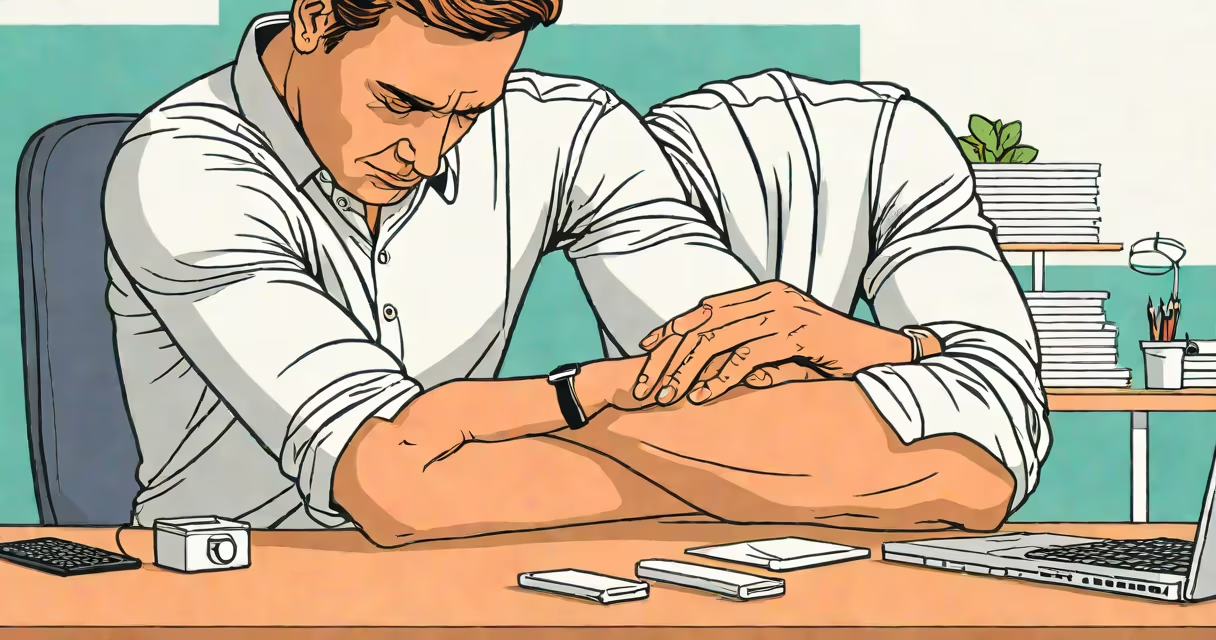
Shoulder pain arises when muscles, tendons, ligaments, or bones in the shoulder joint become inflamed, strained, or damaged due to repetitive motion, poor posture, trauma, or underlying conditions like arthritis or rotator cuff tears.
The shoulder is one of the most mobile joints in the body, capable of many motion. This flexibility comes at the cost of stability. The joint relies heavily on surrounding muscles-especially the rotator cuff-to stay aligned. When those muscles fatigue or sustain micro-tears from overuse, pain develops quickly.
Common triggers include prolonged computer use, lifting heavy objects, sleeping in awkward positions, or sudden movements during sports. Pain may start as a dull ache and progress to sharp, localized burning or stiffness that limits arm movement.
Pain begins when stress exceeds tissue tolerance. For example, typing for eight hours daily with shoulders rounded forward creates chronic strain on the upper trapezius and levator scapulae muscles. Over time, this leads to muscle shortening, reduced blood flow, and inflammation-symptoms that manifest as persistent shoulder soreness.
Repetitive overhead motions-like painting ceilings, throwing a ball, or doing push-ups-can overload the supraspinatus tendon, part of the rotator cuff. This condition, known as impingement syndrome, occurs when the tendon rubs against the acromion bone during arm elevation. Symptoms include pain when raising the arm above shoulder height and weakness during lifting tasks.
A 2021 study published in Journal of Orthopaedic & Sports Physical Therapy found that 68% of adults reporting shoulder pain had poor posture habits, including forward head posture and rounded shoulders, which increase mechanical load on the shoulder girdle.
Not all shoulder pain is the same. Different patterns point to different root causes:
| Type | Common Cause | Typical Symptoms | When to Seek Care |
|---|---|---|---|
| Acute strain | Sudden lift, fall, or twist | Sharp pain, swelling, limited movement | Immediate medical evaluation needed |
| Chronic overuse | Repetitive work or exercise | Dull ache, worsens with activity | Persistent beyond 2 weeks |
| Rotator cuff tear | Age-related degeneration or trauma | Weakness, night pain, difficulty reaching behind back | Signs of nerve involvement or loss of function |
| Arthritis | Osteoarthritis or rheumatoid disease | Stiffness, grinding sensation, morning pain | Progressive joint degradation |
One key distinction often missed: pain from the neck (cervical spine) can mimic shoulder pain. A pinched nerve in the cervical spine may cause radiating pain down the arm and into the shoulder blade area. This is called referred pain and can be misdiagnosed as a shoulder issue.
Many assume shoulder pain always comes from the joint itself. But the source is frequently muscular or neurological. For example, tight pectoral muscles compress the shoulder joint and alter biomechanics, leading to impingement-even without direct injury.
Another misconception is that rest alone fixes the problem. While temporary relief occurs, untreated muscle imbalances lead to recurring episodes. A 2020 review in Physical Therapy in Sport showed that patients who combined targeted exercises with posture correction saw 72% improvement in shoulder pain scores within six weeks-compared to 34% in those who rested only.
I once treated a graphic designer whose shoulder pain worsened after long sessions at his standing desk. He believed he needed surgery. After assessing his workstation setup and prescribing daily stretching and scapular stabilization drills, his pain resolved in four weeks. His diagnosis was not structural damage-but chronic muscle fatigue from poor ergonomics.
Consult a healthcare provider if pain lasts longer than two weeks, worsens at night, or limits daily activities like dressing or driving. Imaging such as MRI or ultrasound may be needed to rule out rotator cuff tears or labral injuries.
Physical therapy is effective for most non-traumatic cases. Therapists use manual techniques, neuromuscular re-education, and progressive resistance training to restore balance between stabilizing and moving muscles.
If conservative care fails, corticosteroid injections or surgical repair may be considered. Arthroscopic surgery for rotator cuff tears has success rates above 85% according to the American Academy of Orthopaedic Surgeons (AAOS).
For ongoing issues, consider evaluating your workspace. Adjust your monitor to eye level, position your keyboard so elbows stay at 90 degrees, and take a 5-minute break every hour to stretch. These changes reduce cumulative strain.
Understanding why do my shoulders hurt so much starts with recognizing that pain is a signal-not a flaw. It indicates imbalance, overuse, or dysfunction. Correcting posture, modifying activity, and strengthening supporting muscles resolve most cases without medication or surgery.