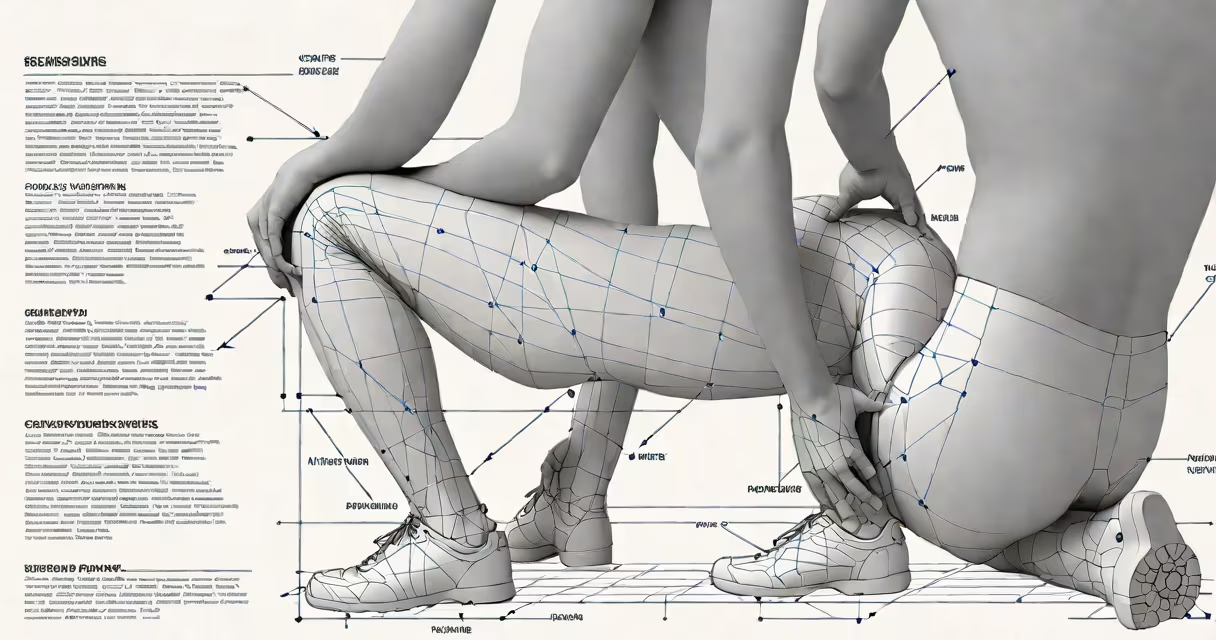
Back of thigh pain results from injury to the hamstrings, irritation of the sciatic nerve, or compression of nerves in the lower spine. Common triggers include sudden movements, prolonged sitting, or repetitive strain.
The hamstrings - three muscles running along the back of the thigh - are responsible for bending the knee and extending the hip. When overstretched or torn, they cause sharp pain behind the knee or in the upper leg. A 2021 study in the Journal of Orthopaedic & Sports Physical Therapy found that hamstring strains account for 15% of all sports-related injuries among runners and soccer players.
Sciatica, a condition caused by pressure on the sciatic nerve, often presents as burning or shooting pain that radiates from the lower back through the buttock and down the back of the thigh. According to the Mayo Clinic, about 1 in 20 people will experience sciatica at some point in life, typically due to a herniated disc or spinal stenosis.
Pain in the back of the thigh arises when tissues are damaged or nerves are compressed. The hamstrings are most vulnerable during explosive motions like sprinting, jumping, or sudden stops. A tear in the biceps femoris - the outermost hamstring muscle - is the most frequent site of injury, especially in athletes.
Nerve-related pain usually begins in the lower back and travels down the leg. The sciatic nerve, the largest nerve in the body, exits the spine between L4 and S3 vertebrae. When a disc bulges or bone spurs form, they can press on this nerve, leading to pain that worsens with sitting or bending forward.
A 2020 review in Spine journal confirmed that lumbar disc herniation is the leading structural cause of sciatica, affecting 1.5% of adults annually. Sitting for more than 60 minutes increases intradiscal pressure by 30%, which may trigger nerve impingement in predisposed individuals.
Back of thigh pain falls into three primary categories based on origin:
| Type | Common Cause | Typical Symptoms | Onset Pattern |
|---|---|---|---|
| Hamstring strain | Sudden sprinting, stretching too far | Sharp pain, swelling, bruising within 24 hours | Immediate, during activity |
| Sciatica | Herniated disc, spinal stenosis | Burning, tingling, numbness down leg; worse when sitting | Gradual, may worsen over days |
| Cramp or muscle spasm | Dehydration, electrolyte imbalance, overuse | Sudden tightness, painful contraction lasting seconds to minutes | Intermittent, often at night or after exercise |
One non-obvious distinction: hamstring strains often involve a "pop" sound at the time of injury. A 2019 study in British Journal of Sports Medicine reported that 68% of elite football players who experienced hamstring tears heard a distinct pop during the incident.
Another overlooked factor is posture. Prolonged sitting with poor lumbar support compresses the sciatic nerve. A 2022 study in Occupational & Environmental Medicine linked extended desk work to a 40% higher risk of developing nerve-related leg pain compared to those with regular movement breaks.
Back of thigh pain that persists beyond 7 days, spreads below the knee, or includes weakness in the foot or toes may indicate a neurological issue. These symptoms suggest nerve involvement requiring medical evaluation.
For example, a 34-year-old office worker reported persistent burning pain behind the left thigh that worsened when sitting. After two weeks of rest and stretching with no improvement, imaging revealed a small disc herniation at L5-S1. Treatment included physical therapy and anti-inflammatory medication. Recovery took six weeks.
Do not confuse back of thigh pain with referred pain from the hip joint. Hip osteoarthritis can mimic hamstring strain, causing pain that feels deep and aching. A 2021 study in Arthritis Care & Research found that 30% of patients with hip arthritis initially misdiagnosed their symptoms as muscular.
Many assume back of thigh pain is always muscular. But nerve-related pain often lacks visible swelling or tenderness and doesn't improve with rest. A true hamstring strain causes localized tenderness and pain when bending the knee against resistance.
Another common error: treating cramps with stretching alone. While helpful for mild cases, recurrent cramps may stem from low potassium, magnesium, or calcium levels. Blood tests can identify deficiencies. A 2020 clinical trial showed that correcting low serum magnesium reduced nighttime leg cramps by 60% in older adults.
Back of thigh pain is not synonymous with sciatica. Sciatica specifically refers to pain along the sciatic nerve path. Other conditions - such as meralgia paresthetica (compression of the lateral femoral cutaneous nerve) - can cause similar sensations but affect different areas of the thigh.
As someone who trained for marathons, I once ignored a dull ache behind my right thigh. I assumed it was fatigue. After three weeks of worsening pain and difficulty climbing stairs, MRI revealed a partial hamstring tear. Early diagnosis prevented further damage.
Back of thigh pain is not a single condition. It reflects a range of musculoskeletal and neurological issues. Accurate identification leads to faster recovery and fewer complications.