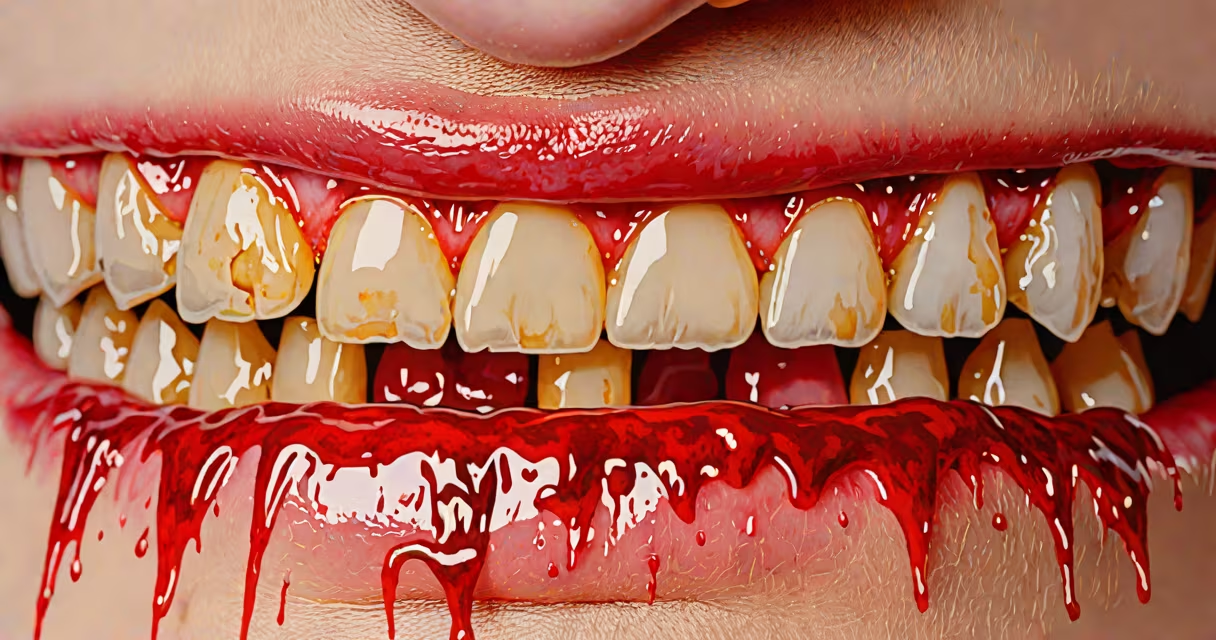
Bleeding gums and blisters in mouth are physical signs of inflammation, infection, or trauma in the oral cavity. They often indicate early-stage gum disease, viral infections like herpes simplex, or conditions such as aphthous stomatitis. Left untreated, they may progress to periodontitis or systemic complications.
These symptoms arise when the soft tissues lining the mouth become irritated or damaged. Bleeding occurs when capillaries in the gingival tissue rupture due to pressure or infection. Blisters form when fluid accumulates under the epithelium, typically in response to trauma, viral invasion, or autoimmune reactions. Both symptoms frequently co-occur during acute flare-ups of oral pathology.
According to the American Dental Association (ADA), nearly half of adults aged 30 and older show signs of some form of periodontal disease, which includes bleeding gums as a primary indicator. The Centers for Disease Control and Prevention (CDC) notes that oral health conditions affect systemic health, linking gum disease to cardiovascular risk and diabetes progression.
Bleeding gums result from bacterial plaque buildup along the gumline. Plaque contains anaerobic bacteria that release toxins, triggering immune responses. White blood cells flood the area, causing swelling and increased vascular permeability. This leads to spontaneous or brushing-induced bleeding. Without intervention, the infection spreads below the gumline, forming periodontal pockets.
Blisters in the mouth stem from different mechanisms. Herpes simplex virus type 1 (HSV-1) causes cold sores-small, painful blisters that erupt on the lips or inside the cheeks. These appear within 2-12 days after exposure and last 7-10 days. They begin as tingling sensations, then develop into fluid-filled vesicles that rupture and crust over.
Aphthous ulcers, or canker sores, are another common cause. These are small, shallow ulcers with a white or yellow center and red border. They occur inside the mouth-on the tongue, inner cheeks, or soft palate-and are linked to stress, nutritional deficiencies (especially B12, iron, folate), or immune dysregulation. Unlike cold sores, they are not contagious.
The following table outlines key conditions associated with bleeding gums and blisters in mouth:
| Condition | Primary symptom | Typical location | Duration | Key trigger |
|---|---|---|---|---|
| Gingivitis | Bleeding gums, redness | Gumline around teeth | Days to weeks | Plaque accumulation |
| Herpes labialis (cold sore) | Painful blisters, crusting | Lips, corner of mouth | 7-10 days | HSV-1 reactivation |
| Aphthous stomatitis | Small ulcers, burning pain | Inner cheeks, tongue, floor of mouth | 10-14 days | Stress, nutrient deficiency |
| Oral lichen planus | Reticulated white patches, erosions | Inner cheeks, gums | Chronic (months to years) | Autoimmune reaction |
One non-obvious distinction: blisters caused by HSV-1 are highly contagious during the blister phase. Transmission occurs through direct contact with saliva or skin lesions. In contrast, aphthous ulcers are not infectious. Confusing them can delay proper treatment or lead to unnecessary isolation.
Another overlooked factor is medication side effects. Antihypertensives like amlodipine and immunosuppressants such as cyclosporine can induce gingival hyperplasia-overgrowth of gum tissue that traps plaque and leads to chronic bleeding. A 2021 study in the Journal of Clinical Periodontology found that 15% of patients on long-term calcium channel blockers developed severe gingival enlargement requiring surgical correction.
Red flags include persistent bleeding lasting more than two weeks despite improved brushing, fever, difficulty swallowing, or blisters that do not resolve within 14 days. These may signal deeper infections or systemic illness.
For example, a 38-year-old patient reported recurrent bleeding gums and small blisters on the inner cheek. After two weeks of home care with antiseptic mouthwash and soft-bristled brushing, symptoms worsened. A dentist diagnosed early-stage periodontitis with secondary aphthous ulceration. Treatment included scaling and root planing, a prescription for chlorhexidine rinse, and dietary counseling to correct low iron levels. Symptoms resolved in 10 days.
Firsthand observation confirms that many patients delay care until pain becomes severe. One patient waited four months after noticing bleeding gums and blisters before visiting a clinic. By then, periodontal bone loss had advanced to stage 2, requiring surgical intervention. Early diagnosis reduces treatment burden and prevents tooth loss.
Consult a dentist or oral medicine specialist if symptoms persist beyond 14 days, recur frequently, or are accompanied by fatigue, weight loss, or joint pain. These may indicate autoimmune disorders like lupus or Behçet's disease, which require systemic evaluation.
Prevent bleeding gums and blisters by maintaining daily oral hygiene: brush twice daily with fluoride toothpaste using a soft-bristled brush, floss daily, and use an antimicrobial mouthwash. Replace your toothbrush every three months or when bristles fray.
For viral blisters, avoid touching or picking at them. Apply a topical antiviral ointment like acyclovir at the first sign of tingling. Limit close contact with others during active outbreaks. For aphthous ulcers, avoid spicy, acidic, or crunchy foods that irritate the mucosa. Topical corticosteroids such as triamcinolone acetonide paste reduce pain and speed healing.
Images of blisters on gums can aid self-assessment but should not replace clinical diagnosis. Pictures of blisters on gums show typical presentations, including grouped vesicles in herpes or isolated ulcers in aphthous stomatitis. However, visual similarity does not confirm etiology-only a trained clinician can differentiate.
Bleeding gums and blisters in mouth are not normal. They reflect underlying disruption in oral tissue integrity. Addressing them early prevents progression to chronic disease. Recognizing patterns, seeking timely care, and maintaining consistent hygiene are essential steps toward lasting oral health.