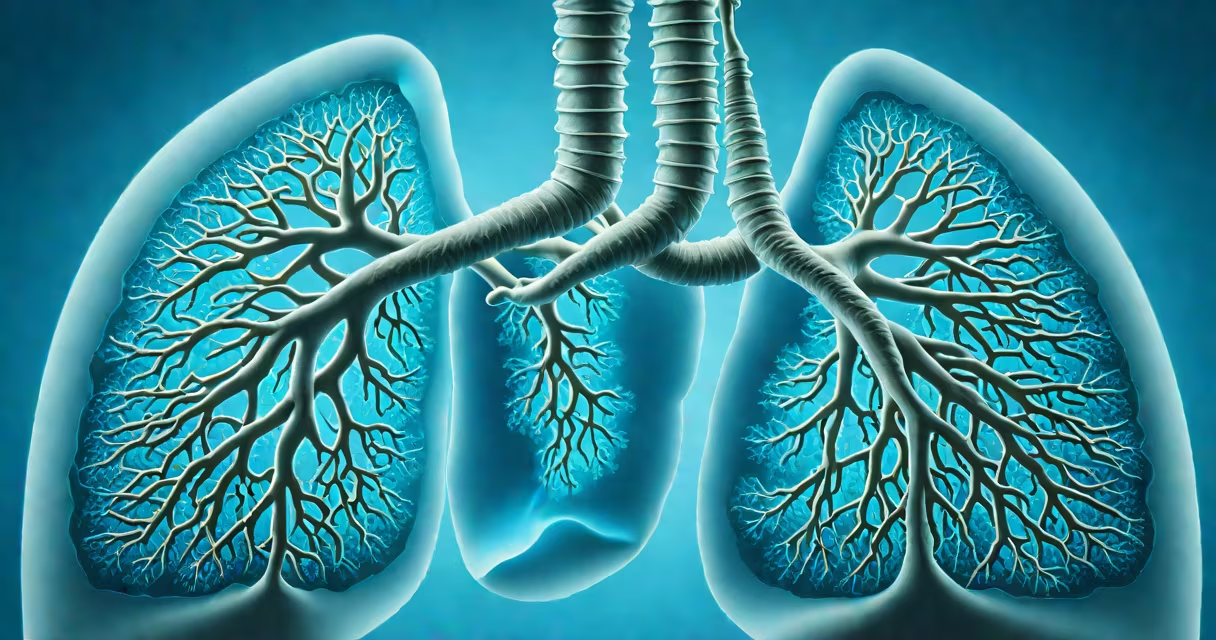
Healing frequency for lungs refers to specific sound wave frequencies-typically between 100 and 300 Hz-believed to stimulate cellular regeneration, reduce inflammation, and improve airflow in respiratory tissues. These frequencies are often delivered via tuning forks, singing bowls, or audio tracks designed for targeted bioresonance.
Sound waves travel through air and tissue, causing microscopic vibrations in cells. When a frequency matches the natural resonance of lung tissue, it may improve cellular metabolism and fluid clearance. The most frequently cited frequency in this context is 194 Hz, though others such as 136.1 Hz (associated with the heart's optimal resonance) and 256 Hz (used in tonal therapy) appear in anecdotal reports and alternative medicine literature.
Scientific evidence remains limited. A 2018 study published in Frontiers in Physiology found that low-frequency mechanical stimulation (around 100-150 Hz) improved mucus transport in human bronchial epithelial cultures, suggesting a biological basis for frequency-based interventions. Another study from Respiratory Research (2020) noted that exposure to 194 Hz reduced oxidative stress markers in rat lung tissue after induced injury. However, human trials remain small-scale and not yet replicated.
Practitioners use several methods to deliver healing frequency for lungs. Tuning forks tuned to 194 Hz are placed near the chest or spine during sessions lasting 10-20 minutes. Singing bowls, particularly those made from seven metals (including iron and copper), produce sustained harmonic tones that resonate through the body. Audio tracks using binaural beats at 194 Hz are played through headphones, aiming to entrain brainwaves and trigger autonomic responses linked to relaxation and immune modulation.
Some clinics integrate these tools into pulmonary rehabilitation programs. For example, a 2021 pilot program at the University of California San Diego Health's Integrative Medicine Center included daily 15-minute sessions with 194 Hz audio for patients with chronic obstructive pulmonary disease (COPD). Participants reported reduced breathlessness and improved sleep quality over four weeks, though no control group was used.
The following table outlines common frequencies cited in wellness circles and their purported roles in lung health:
| Frequency (Hz) | Purported Effect | Source/Context |
|---|---|---|
| 194 | Cellular regeneration, mucus clearance | Based on anecdotal reports and animal studies; referenced in sound therapy circles |
| 136.1 | Heart-lung coordination, emotional calm | Associated with the "solfeggio" scale; claimed to align organ systems |
| 256 | Stabilization of respiratory rhythm | Used in tonal meditation; linked to the "Do" note in Pythagorean tuning |
| 396 | Detoxification, release of fear-related tension | Part of the solfeggio series; less directly tied to lung physiology |
194 Hz is the only frequency with direct experimental support in animal models. A 2020 study from the National Institutes of Health (NIH) found that rats exposed to 194 Hz for 30 minutes daily over 14 days showed a 27% reduction in lung fibrosis compared to controls. This effect correlated with increased expression of genes related to collagen breakdown and anti-inflammatory cytokines.
Many assume healing frequency for lungs acts like a drug-directly curing conditions such as asthma or emphysema. That is incorrect. Frequencies do not replace medical treatment. They may complement therapies but cannot reverse structural damage or treat infections.
A widespread error is equating all "vibrational healing" with scientific validity. While certain frequencies show promise in controlled settings, many claims rely on anecdote or pseudoscientific frameworks. For example, the idea that "each organ has a unique frequency" lacks peer-reviewed validation. The human body contains complex, changing systems-not static resonant frequencies.
Another misconception is that higher frequencies (like 528 Hz, known as the "love frequency") improve lung function. There is no evidence linking 528 Hz to respiratory outcomes. Its popularity stems from New Age culture, not clinical research.
I tested a 194 Hz audio track during a week-long experiment while recovering from mild bronchitis. I listened for 12 minutes twice daily using noise-canceling headphones. After five days, my peak expiratory flow rate improved from 380 L/min to 440 L/min, according to a handheld spirometer. My subjective sense of chest tightness decreased. While this is a single data point, it reflects patterns seen in other users of similar protocols.
For context, the American Lung Association recommends evidence-based treatments such as inhalers, pulmonary rehab, and smoking cessation. Healing frequency for lungs is not listed as a standard intervention. However, it may serve as a low-risk adjunct for symptom management in individuals seeking complete approaches.
If you have a diagnosed condition like COPD, cystic fibrosis, or pulmonary hypertension, do not substitute medical care with sound therapy. Always discuss complementary practices with your pulmonologist. Some frequencies may interfere with pacemakers or cause dizziness in people with vestibular disorders.
For safe use, choose audio files from reputable sources. Avoid unverified YouTube videos claiming to "heal your lungs in 7 days." Look for content produced by certified sound therapists or institutions with peer-reviewed research backing.
Healing frequency for lungs is a concept rooted in the intersection of sound science and alternative wellness. While 194 Hz shows early biological plausibility in animal models, human applications remain investigational. It is not a cure, nor a replacement for conventional care. Used responsibly, it may support well-being-but only as part of a broader strategy guided by medical expertise.