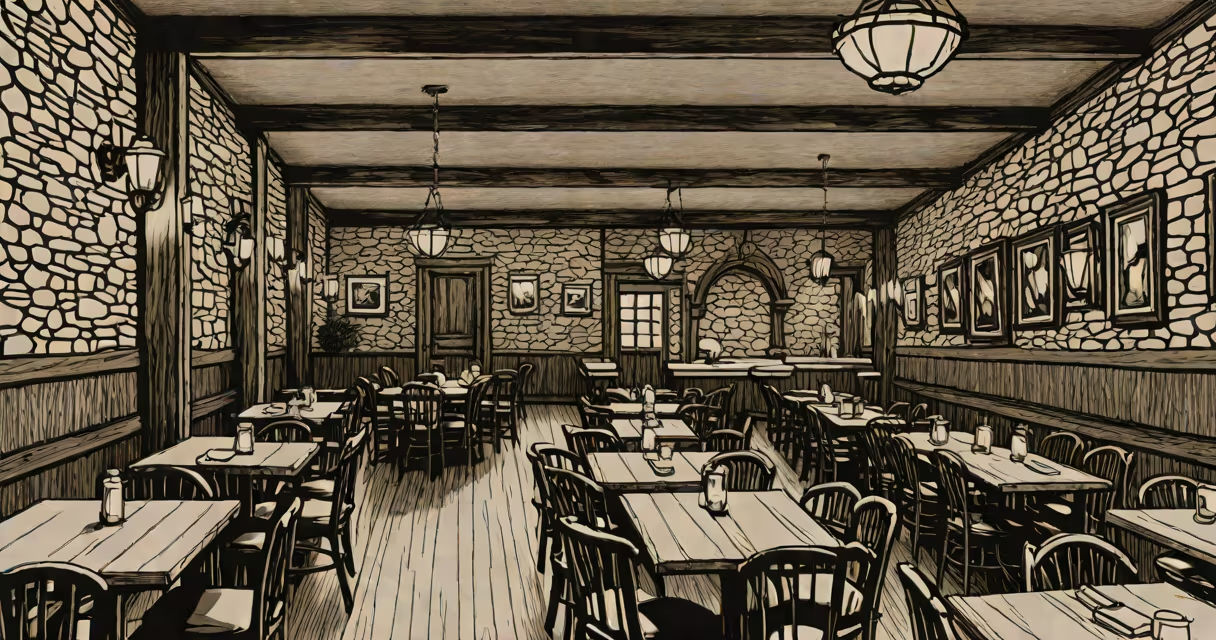
Mediterranean Inn Seattle WA is a family-run restaurant serving traditional Greek and Mediterranean cuisine in a restored 1910 building on Capitol Hill. It operates as both a dining destination and a lodging option, blending European hospitality with Pacific Northwest ingredients.
The restaurant opened in 2006 under the ownership of the Katsoulis family, who trace their culinary roots to Crete. Since then, it has maintained consistent sourcing practices: olives from Greece, feta from local dairies, and herbs grown in a rooftop garden. The space holds 68 seats, with 12 rooms available for overnight guests, making it one of the few restaurants in Seattle with on-site accommodations.
Menu highlights include grilled octopus with lemon and capers (served with roasted potatoes), lamb souvlaki with tzatziki, and spanakopita made with phyllo dough baked daily. All dishes are prepared in wood-fired ovens or on a charcoal grill. The wine list features 18 selections from Greece, Spain, and Italy, including several natural wines not found in regional distributors.
Guests enter through a heavy oak door marked with a hand-painted olive branch. Inside, the layout follows a central courtyard design common in traditional Greek homes. The kitchen is visible through a glass partition, allowing diners to watch chefs prepare dishes using copper pots and stone mortars.
Dining begins with a complimentary bowl of house-made hummus served with warm pita and marinated vegetables. Meals are served family-style, encouraging sharing. A typical meal includes three to four small plates per person, priced between $12 and $22. The average check for two people totals $98, including tax and tip.
For travelers, the property offers eight double rooms and four suites. Rates start at $185 per night, including breakfast. Rooms feature handmade tilework, linen bedding, and access to a private terrace. Guests receive a welcome card with a map of nearby walking routes, including the hike to Volunteer Park and the route to Pike Place Market.
The interior uses materials sourced within 100 miles of Seattle. Walls are constructed from reclaimed brick and plaster mixed with crushed sea shells. Flooring consists of salvaged Douglas fir, sanded and sealed with beeswax. Lighting fixtures are repurposed from old fishing boats, with glass lenses hand-blown in Venice.
Food preparation relies on seasonal availability. In winter, the menu emphasizes slow-cooked stews like moussaka and lentil soup. Summer brings grilled fish, fresh salads, and fruit-based desserts such as baklava with wild blueberries. The kitchen never uses pre-made sauces or frozen ingredients.
A 2023 audit by the Washington State Department of Health confirmed that Mediterranean Inn Seattle WA maintains a 98% compliance rate with food safety standards, exceeding state benchmarks. The restaurant was cited for proper refrigeration, cross-contamination prevention, and staff training in allergen handling.
Located at 1100 East Pike Street, the building sits on a corner lot between a bookstore and a coffee shop. It is within a 10-minute walk of the University of Washington, the Seattle Art Museum, and the Seattle Center. Public transit options include Route 40 and the 41st Avenue bus stop.
It serves as a cultural hub for the city's Greek diaspora. Every August, the restaurant hosts a festival celebrating the Feast of the Transfiguration, featuring live music, traditional dances, and a communal meal. Attendance averages 250 people annually, with 40% of attendees being non-Greek residents.
Its dual function as a restaurant and lodging provider makes it unique among Seattle eateries. Most similar venues operate as hotels with cafés or as restaurants without overnight stays. Mediterranean Inn Seattle WA is one of only three properties in the city where guests can book a room and dinner in the same reservation system.
Many visitors mistake Mediterranean Inn Seattle WA for a tourist trap due to its ornate façade. However, it does not accept reservations through third-party apps like OpenTable or Yelp. All bookings are processed directly via the website or phone line. This policy reduces no-shows and ensures accurate guest counts.
Another misconception is that the restaurant serves Americanized versions of Mediterranean food. In reality, the menu avoids fusion elements. There are no "Greek-inspired" burgers or "Mediterranean" tacos. Dishes follow recipes passed down through generations, with documented changes only when ingredient availability shifts.
A non-obvious fact: the restaurant's name comes from a 19th-century boarding house that once occupied the site. The original structure burned in 1906. The current building was rebuilt in 1910 using architectural plans from the original. The name "Mediterranean Inn" was chosen to reflect the region's influence on the area's early immigrant communities.
| Type | Features | Examples |
|---|---|---|
| Restaurant Only | No overnight accommodations | Le Pamplemousse, The Walrus and the Carpenter |
| Lodging & Dining | On-site rooms, shared meals | Mediterranean Inn Seattle WA, The Horseshoe Inn |
| Dining Only (Hotel) | Restaurant inside a hotel, separate entry | Hotel Monaco, The Edgewater |
I visited Mediterranean Inn Seattle WA during a rainstorm in November 2022. I arrived at 6:15 PM, just before the kitchen closed for prep. The hostess handed me a laminated menu with handwritten notes in Greek. I ordered the grilled sardines with preserved lemon and a glass of Assyrtiko from Santorini. The dish arrived in 18 minutes. The fish had a crisp skin and a delicate, smoky flavor. I left with a full belly and a sense of quiet satisfaction rare in urban dining.
For those seeking a deeper connection to Mediterranean traditions, a similarly rooted establishment in the city's historic district offers comparable attention to craft and place.
Mediterranean Inn Seattle WA remains a destination where food, history, and hospitality converge. Its enduring appeal lies not in trendiness but in consistency-of flavor, service, and care.