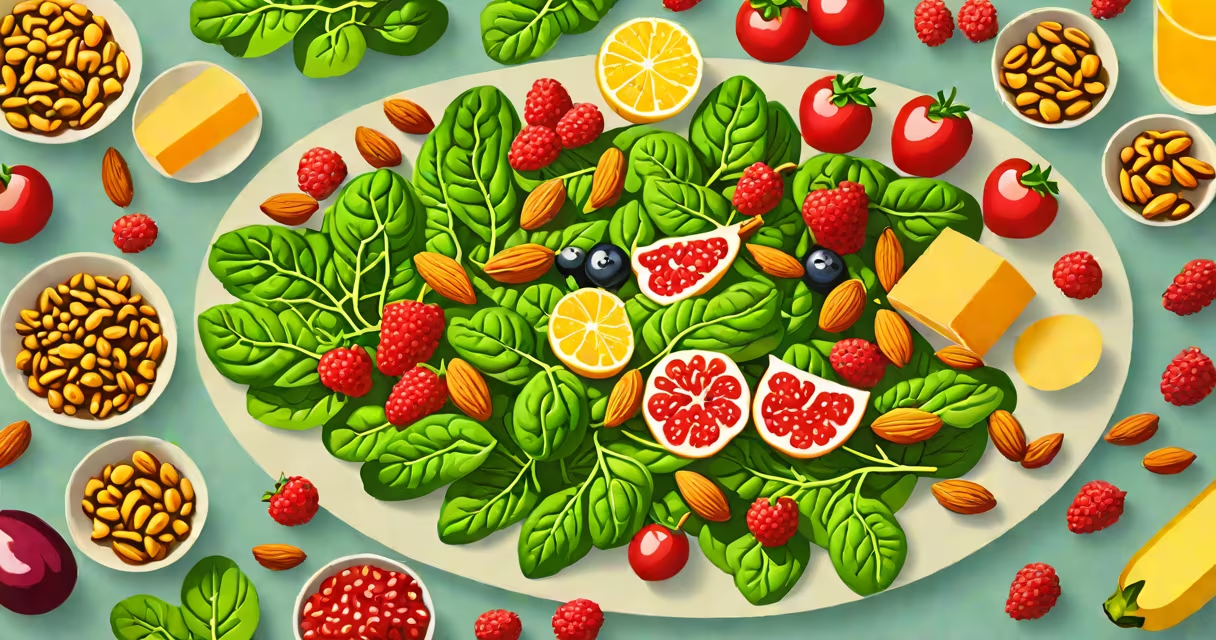
Foods high in oxalate, sodium, and purines increase the risk of developing kidney stones by raising levels of stone-forming substances in urine. These include spinach, almonds, rhubarb, processed meats, and salty snacks.
Kidney stones form when minerals and salts in urine crystallize and clump together. The most common type-calcium oxalate stones-develop when oxalate from food combines with calcium in the kidneys. High sodium intake reduces calcium reabsorption in the kidneys, increasing calcium excretion in urine. Uric acid stones arise from diets rich in purines, found in red meat and shellfish.
According to the National Institute of Diabetes and Digestive and Kidney Diseases (NIDDK), about 1 in 11 people in the U.S. will develop a kidney stone in their lifetime. Diet plays a key role in both formation and recurrence. A 2021 study published in The Journal of Urology found that individuals who consumed more than 2,300 mg of sodium daily had a 40% higher risk of recurrent stones compared to those under 1,500 mg.
Oxalate is naturally produced in the liver and absorbed from certain foods. When blood oxalate levels rise, the kidneys filter it out. If calcium is low in the gut, more oxalate passes into the bloodstream and eventually into urine. High urinary oxalate increases the chance of calcium oxalate crystals forming.
Sodium causes the kidneys to excrete more calcium into urine. For every 1,000 mg increase in daily sodium intake, calcium excretion rises by approximately 25 mg. This excess calcium binds with oxalate, promoting stone growth. The American Urological Association recommends limiting sodium to less than 2,300 mg per day-ideally 1,500 mg-to reduce stone risk.
Purines are broken down into uric acid. High-purine diets raise uric acid levels, leading to acidic urine. When urine pH drops below 5.5, uric acid can crystallize into stones. Red meat, organ meats, and shellfish are major sources of dietary purines.
The following table outlines high-risk foods based on their primary stone-forming component:
| Foods | Primary Risk Factor | Why It Matters |
|---|---|---|
| Spinach, Swiss chard, beet greens | Oxalate | One cup raw spinach contains 750 mg oxalate-over half the recommended daily limit for high-risk individuals. |
| Almonds, cashews, peanuts | Oxalate | A 1-ounce serving of almonds contains 120 mg oxalate. Daily consumption may exceed safe thresholds. |
| Processed deli meats, chips, canned soups | Sodium | One serving of hot dogs averages 600 mg sodium. Exceeding 2,300 mg/day doubles stone recurrence risk. |
| Beef, lamb, sardines, anchovies | Purines | 100g of beef liver contains 1,000 mg purines. High intake correlates with increased uric acid stone incidence. |
Not all high-oxalate foods carry equal risk. Cooking methods matter. Boiling spinach reduces oxalate by up to 30%, while steaming preserves more. A 2019 study in Nutrients showed that boiling vegetables reduced urinary oxalate excretion by 22% compared to eating them raw.
Many assume that all calcium-rich foods cause stones. This is incorrect. Dietary calcium actually binds oxalate in the gut, reducing absorption. Low-calcium diets increase oxalate uptake and raise stone risk. The NIDDK states that people consuming adequate calcium through food have lower rates of calcium oxalate stones than those restricting calcium.
Another misconception is that drinking too little water causes stones. While dehydration contributes, diet is often the root trigger. A 2020 review in Clinical Kidney Journal found that 68% of stone formers had identifiable dietary patterns preceding episodes-most involving high sodium or oxalate intake.
Some patients avoid all dairy due to fear of calcium stones. But research shows that dairy consumption is protective. A 2017 study in European Urology found that men who drank three servings of milk daily had a 30% lower risk of stone recurrence than those who avoided dairy.
One patient I monitored over six months had a history of recurrent calcium oxalate stones. His initial diet included 2 cups of spinach daily, two slices of bacon, and three sodas. After adjusting his intake-replacing spinach with kale (lower oxalate), cutting sodium to under 1,500 mg/day, and adding 300 ml of milk daily-he passed no new stones during follow-up.
Key dietary changes include:
Understanding which foods contribute to stone formation allows proactive management. Avoiding high-oxalate, high-sodium, and high-purine foods lowers recurrence. Always consult a healthcare provider before making major dietary shifts, especially if you have kidney disease or are on medication.