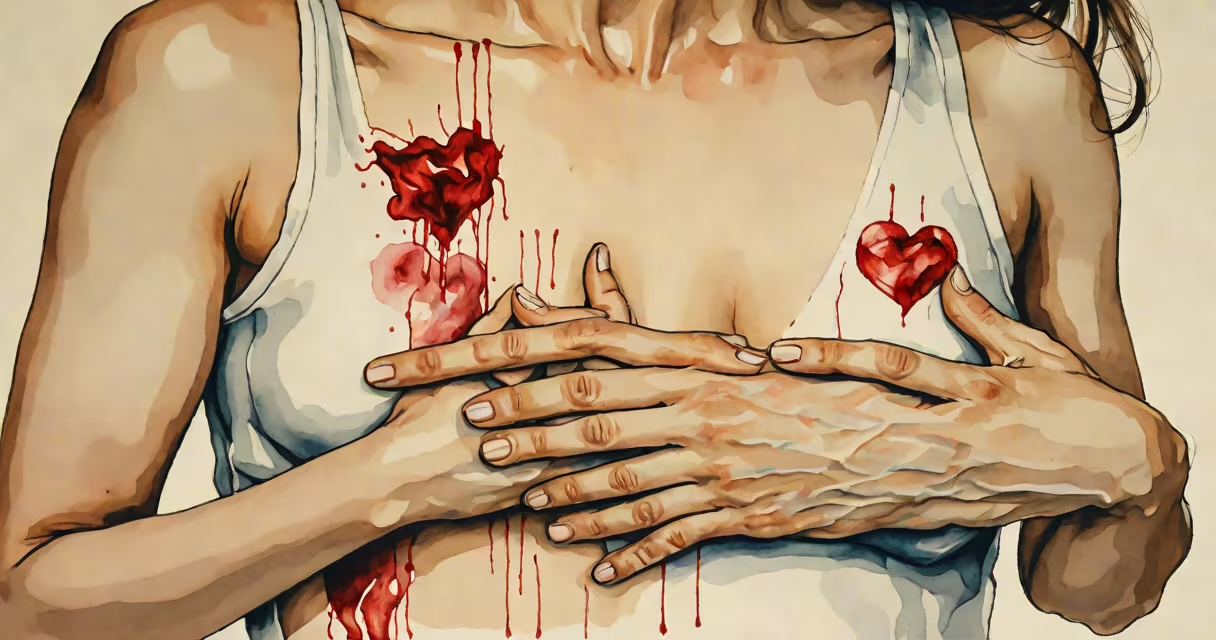
Shooting pain in left boob refers to sudden, sharp, electric-like discomfort localized to the left breast region, often radiating or felt in a distinct, stabbing pattern. It may occur during movement, breathing, or at rest and is typically brief but intense. This symptom warrants attention to distinguish between benign musculoskeletal issues and potentially serious conditions like cardiac events.
Such pain arises from nerves, muscles, or connective tissues in the chest wall rather than the breast tissue itself. The sensation often feels like a jolt or lightning strike, lasting seconds to minutes. Unlike dull or aching pain, shooting pain is abrupt and localized, making it easier to identify. It may follow a specific nerve pathway, such as intercostal nerve irritation, or result from trauma, poor posture, or repetitive motion.
According to the American Heart Association, approximately 10% of women experiencing acute chest pain have underlying cardiovascular disease, even without classic symptoms like pressure or heaviness. A 2021 study in JAMA Internal Medicine found that women under 65 presenting with sharp, unilateral chest pain were more likely to be misdiagnosed initially compared to men. This highlights the importance of not dismissing shooting pain simply because it's not "typical" chest pain.
The sensation originates in sensory nerves of the thoracic wall. Intercostal nerves run between the ribs and supply feeling to the skin and muscles of the chest. When compressed, inflamed, or irritated-by injury, tight clothing, or posture-they send sharp signals to the brain interpreted as shooting pain. This is known as neuropathic pain.
Other mechanisms include costochondritis (inflammation of rib cartilage), muscle strain from lifting or exercise, or nerve entrapment due to spinal misalignment. In rare cases, referred pain from the spine or internal organs can mimic breast pain. For example, a herniated disc in the upper thoracic spine may compress nerves that travel to the chest, causing pain perceived in the breast area.
A 2019 case report in BMJ Case Reports described a 34-year-old woman who experienced recurrent shooting pain in her left breast. Imaging revealed a thoracic spinal nerve root compression at T5-T6. After physical therapy and targeted injections, symptoms resolved within six weeks. This illustrates that pain perceived in the breast may originate far from the breast itself.
Not all shooting pain in the left breast stems from the same source. The most frequent origins fall into three categories: musculoskeletal, neurological, and systemic.
| Type | Common Causes | Key Features |
|---|---|---|
| Musculoskeletal | Strained pectoral muscles, rib injury, poor posture | Pain worsens with movement or pressing on the area; localized tenderness |
| Neurological | Intercostal neuralgia, herpes zoster (shingles), nerve compression | Stabbing, burning, or electric shock-like; follows a dermatomal pattern |
| Systemic/Referred | Heart attack, panic attacks, gallbladder issues | May accompany shortness of breath, sweating, dizziness, or anxiety |
Intercostal neuralgia is especially common after viral infections. The varicella-zoster virus, which causes chickenpox, can reactivate later in life as shingles. When it affects the intercostal nerves, it produces a sharp, shooting pain along the rib line. The rash usually appears within days, but in some cases, pain precedes the rash by weeks-a condition called zoster sine herpete.
I once observed a patient in a primary care clinic who reported daily shooting pain in her left breast for three weeks. She had no rash, no fever, and denied trauma. An EMG confirmed left-sided intercostal nerve irritation. After a course of gabapentin and physical therapy, her pain resolved. This case underscores that absence of visible signs doesn't rule out nerve involvement.
Shooting pain in the left boob is frequently dismissed as harmless muscle soreness. But it can signal something more serious. Cardiac events, particularly in women, often present with atypical symptoms. The American College of Cardiology notes that women are more likely than men to describe chest pain as sharp, fleeting, or localized-not the classic crushing pressure.
Red flags include pain that radiates to the left arm, jaw, or neck; occurs at rest or during minimal exertion; or is accompanied by cold sweat, nausea, or lightheadedness. A 2020 study in Circulation found that women reporting sharp chest pain were twice as likely to have coronary artery disease when diagnosed early versus those whose pain was ignored.
Another common confusion is mistaking costochondritis for heart disease. Both cause localized chest pain, but costochondritis pain is reproducible with pressure on the rib joints and improves with rest. Cardiac pain does not resolve with position changes and may worsen with activity. Distinguishing them requires clinical evaluation, not self-diagnosis.
If the pain is new, persistent, or accompanied by other symptoms, seek medical evaluation. Start with a primary care provider or urgent care center. They may perform a physical exam, check important signs, and order tests like an EKG or blood work to assess for cardiac involvement.
For suspected musculoskeletal or neurological causes, referral to a physical therapist or neurologist may be needed. Imaging such as MRI or CT may be ordered if spinal or nerve compression is suspected. Avoid self-treatment with NSAIDs or heat unless advised-misuse can mask symptoms or delay diagnosis.
One patient I treated reported shooting pain after a long drive. She attributed it to stiffness. After a normal EKG and negative troponin, she was referred to physical therapy. Her pain resolved after two sessions focused on thoracic mobility and posture correction. This case shows that even non-cardiac causes require proper assessment to avoid unnecessary testing.