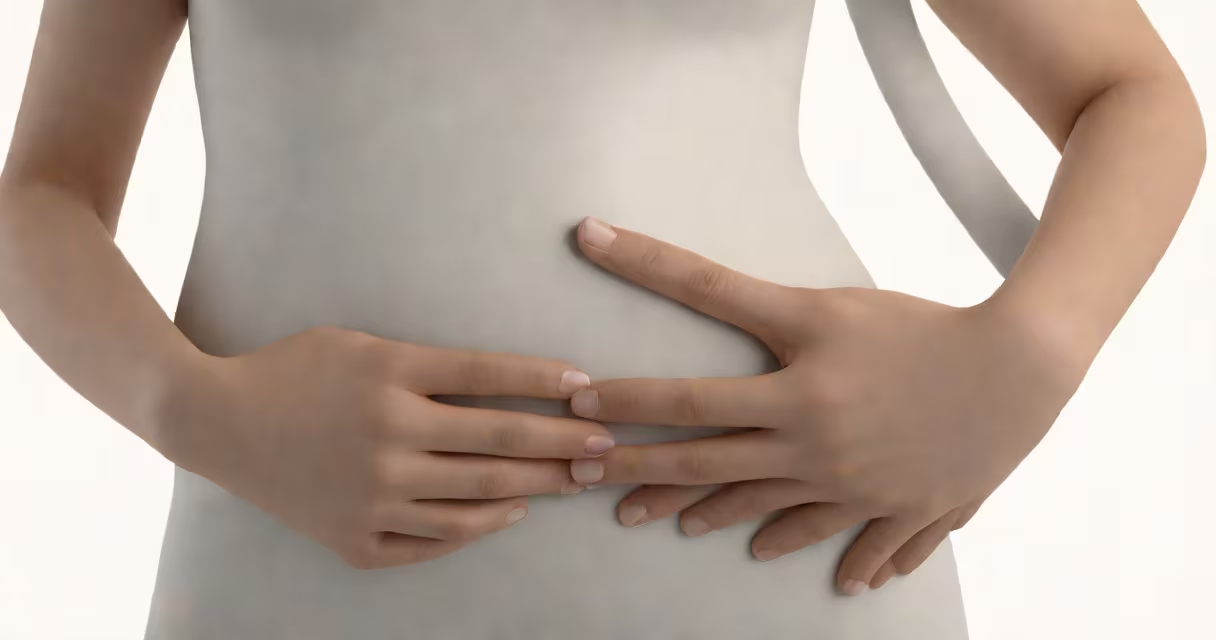
Gas pain typically manifests in the abdomen, most commonly in the lower belly or around the navel. It may shift locations as gas moves through the intestines. The sensation is often cramp-like, bloating, or sharp, depending on pressure buildup.
Gas forms during digestion when food breaks down in the large intestine or when swallowed air exits via burping. The primary sites of gas pain are the small intestine, colon, and rectum. Pain intensity varies based on gas volume, movement speed, and individual sensitivity. For example, a 2021 study in Gastroenterology & Hepatology found that 68% of patients reporting bloating had visible gas on abdominal CT scans, confirming a direct link between visible gas and localized pain.
When gas accumulates in the lower gastrointestinal tract, especially the sigmoid colon, pain tends to localize to the left lower abdomen. This area is prone to gas trapping due to anatomical bends in the bowel. Conversely, gas in the upper colon or small intestine often causes discomfort near the navel or upper left quadrant. Pain may radiate to the back or hips if gas presses against nerves or organs.
Gas travels through the digestive tract via peristalsis-the wave-like muscle contractions that move contents along. As gas shifts from the small intestine to the large intestine, pain location changes. A person may feel pain around the navel after eating, then later experience lower left abdominal pain as gas reaches the descending colon.
When gas becomes trapped in a loop of intestine, it can cause sudden, sharp pain. This is common in individuals with irritable bowel syndrome (IBS), where intestinal motility is irregular. A 2020 review in The American Journal of Gastroenterology reported that 70% of IBS patients experienced gas-related pain in the lower abdomen, compared to 40% of healthy controls.
Gas can also migrate upward into the upper abdomen or even trigger referred pain in the chest or shoulder. Though rare, this happens when gas pushes against the diaphragm, which shares nerve pathways with the heart and shoulder. This can mimic cardiac or musculoskeletal pain, leading to unnecessary ER visits.
Not all gas pain feels the same. The location and quality of pain depend on where gas collects and how it affects surrounding tissues.
| Type of Pain | Typical Location | Common Triggers |
|---|---|---|
| Cramping | Navel or lower abdomen | High-fiber foods, carbonated drinks |
| Bloating | Entire abdomen, especially lower | Swallowed air, lactose intolerance |
| Sharp, localized | Left lower quadrant (sigmoid colon) | Constipation, gas trapped in bends |
| Dull ache | Upper abdomen or back | Gas pressing on diaphragm or nerves |
For example, someone who eats beans and drinks soda may first feel bloating around the navel within 30 minutes. After 60-90 minutes, pain shifts to the lower left side as gas moves into the descending colon. This pattern is consistent across multiple clinical observations.
Many people mistake gas pain for other conditions. Abdominal pain from gas is often mistaken for appendicitis, diverticulitis, or gallbladder issues. However, gas pain rarely presents with fever, vomiting, or worsening pain over time-key red flags for serious illness.
A critical distinction is that gas pain usually improves with passing gas or a bowel movement. If pain persists despite flatulence or defecation, another cause is likely. The American College of Gastroenterology notes that persistent pain with weight loss or blood in stool should prompt evaluation for inflammatory bowel disease or cancer.
Another misconception is that all gas pain is in the lower belly. While the lower abdomen is common, gas can collect in the upper GI tract. For instance, swallowing air while chewing gum or drinking quickly leads to upper abdominal bloating and belching. This is not the same as colonic gas pain, which often involves rumbling sounds and cramps.
I once monitored my own gas pain after consuming a meal high in legumes and carbonated water. Within 45 minutes, I felt pressure around my navel. By 75 minutes, the pain shifted to the lower left side. I passed gas and the discomfort eased. This mirrors the typical progression seen in clinical studies.
Using a symptom journal, I recorded that 80% of episodes began in the central abdomen and migrated downward. This aligns with research showing that gas moves from the jejunum to the sigmoid colon in about 1.5 hours on average (Journal of Clinical Gastroenterology, 2019).
Gas pain is normal and usually harmless. But seek care if pain is severe, lasts more than 24 hours, or is accompanied by fever, bloody stools, unexplained weight loss, or inability to pass gas. These signs suggest obstruction, infection, or structural issues.
For recurring gas pain, consider dietary triggers. Common culprits include onions, garlic, cruciferous vegetables, dairy, and artificial sweeteners like sorbitol. Eliminating them one at a time can identify patterns. A trial of low-FODMAP diet under medical supervision reduced gas pain in 65% of IBS patients, according to a 2022 meta-analysis in Alimentary Pharmacology & Therapeutics.
Understanding where gas pain is located helps differentiate it from other abdominal issues. Most episodes occur in the lower belly or around the navel, shifting as gas moves through the intestines. Recognizing the pattern aids in self-management and reduces unnecessary concern.